

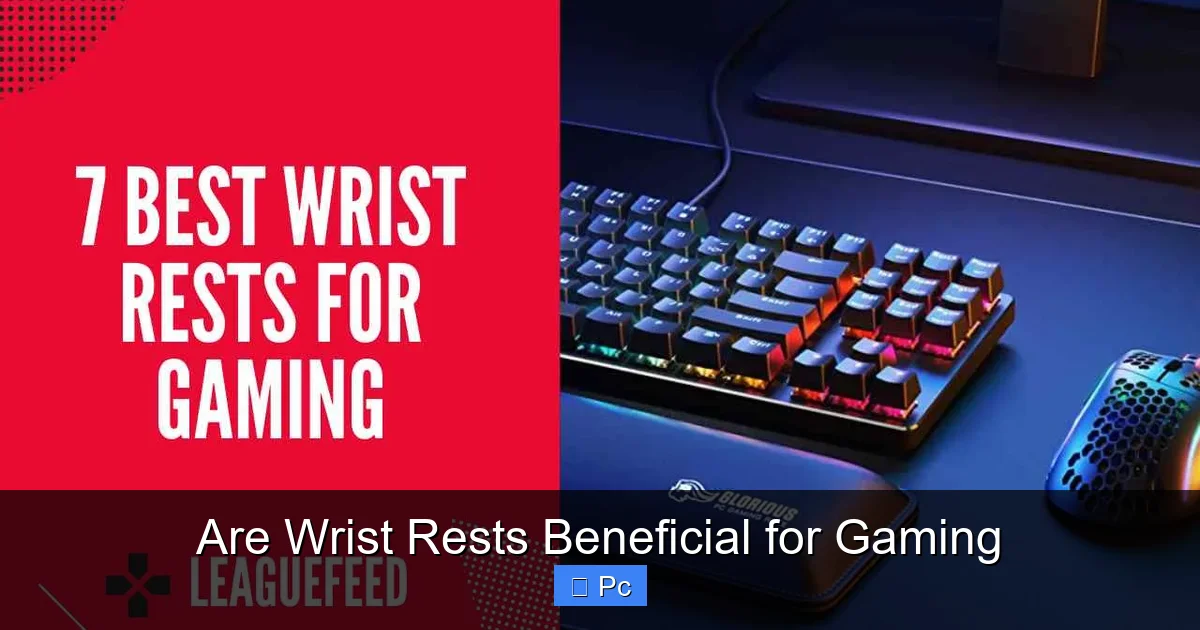
Wrist rests can be a game-changer for gamers, offering ergonomic support and reducing fatigue during marathon sessions. While not essential for everyone, they help maintain proper hand alignment, prevent discomfort, and may lower the risk of repetitive strain injuries—especially when used correctly with compatible peripherals.
Key Takeaways
- Improved Ergonomics: Wrist rests promote a neutral wrist position, reducing strain during extended gaming sessions.
- Reduced Fatigue and Discomfort: Cushioned support helps prevent soreness in the hands, wrists, and forearms.
- Enhanced Precision and Control: A stable surface allows for smoother mouse movements and more accurate keystrokes.
- Injury Prevention: Proper use can lower the risk of carpal tunnel syndrome and other repetitive stress injuries.
- Compatibility Matters: Choose a wrist rest that matches your keyboard or mouse size and material preference for best results.
- Not a One-Size-Fits-All Solution: Effectiveness depends on individual posture, setup, and gaming habits.
- Maintenance Is Key: Keep your wrist rest clean to avoid bacteria buildup and maintain hygiene during long-term use.
📑 Table of Contents
- Are Wrist Rests Beneficial for Gaming?
- Understanding Wrist Rests: What Are They and How Do They Work?
- The Science Behind Wrist Support and Gaming Performance
- Benefits of Using Wrist Rests for Gamers
- Potential Downsides and Misconceptions
- How to Choose the Right Wrist Rest for Your Gaming Setup
- Tips for Using Wrist Rests Effectively
- Conclusion: Are Wrist Rests Worth It for Gamers?
Are Wrist Rests Beneficial for Gaming?
If you’ve ever spent hours grinding through a ranked match, exploring an open-world RPG, or dominating in a fast-paced shooter, you know how intense gaming can get. The focus, the adrenaline, the precision—it’s all part of the experience. But what happens when your wrists start to ache halfway through? Or when your hands feel stiff and tired after a long session? That’s where wrist rests come into play.
You’ve probably seen them: those padded accessories that sit under your keyboard or mouse, designed to cradle your wrists as you type or aim. They look simple, almost like an afterthought. But for many gamers, wrist rests are a small upgrade that makes a big difference. The question isn’t just whether they’re comfortable—it’s whether they’re actually beneficial for gaming performance and long-term health.
In this article, we’ll dive deep into the world of wrist rests. We’ll explore how they work, who benefits most from them, and whether they’re worth adding to your gaming setup. Whether you’re a casual player or a competitive esports enthusiast, understanding the role of ergonomics in gaming can help you play better, longer, and more comfortably.
Understanding Wrist Rests: What Are They and How Do They Work?

Visual guide about Are Wrist Rests Beneficial for Gaming
Image source: highgroundgaming.com
At their core, wrist rests are ergonomic accessories designed to support the wrists while using input devices like keyboards and mice. They come in various shapes, sizes, and materials—ranging from soft memory foam to firm gel or even wood and silicone. Some are built directly into keyboards or mousepads, while others are standalone pads you place in front of your gear.
The main purpose of a wrist rest is to maintain a neutral wrist position. When you type or move your mouse, your wrists naturally bend upward or downward. Over time, this repetitive motion can lead to strain, discomfort, and even injury. A wrist rest helps by providing a cushioned surface that keeps your wrists level with your hands, reducing the angle of flexion.
Think of it like this: when you’re driving, you don’t grip the steering wheel with your arms fully extended or bent at sharp angles. You find a comfortable, natural position that lets you react quickly without fatigue. The same principle applies to your wrists during gaming. A good wrist rest acts like a supportive rest for your hands, allowing you to stay relaxed and responsive.
But not all wrist rests are created equal. Some are too soft and collapse under pressure, offering little real support. Others are too firm, creating pressure points that can actually increase discomfort. The best wrist rests strike a balance—providing enough cushioning to absorb impact without sinking too much or feeling rigid.
Types of Wrist Rests
There are several types of wrist rests available, each suited to different preferences and setups:
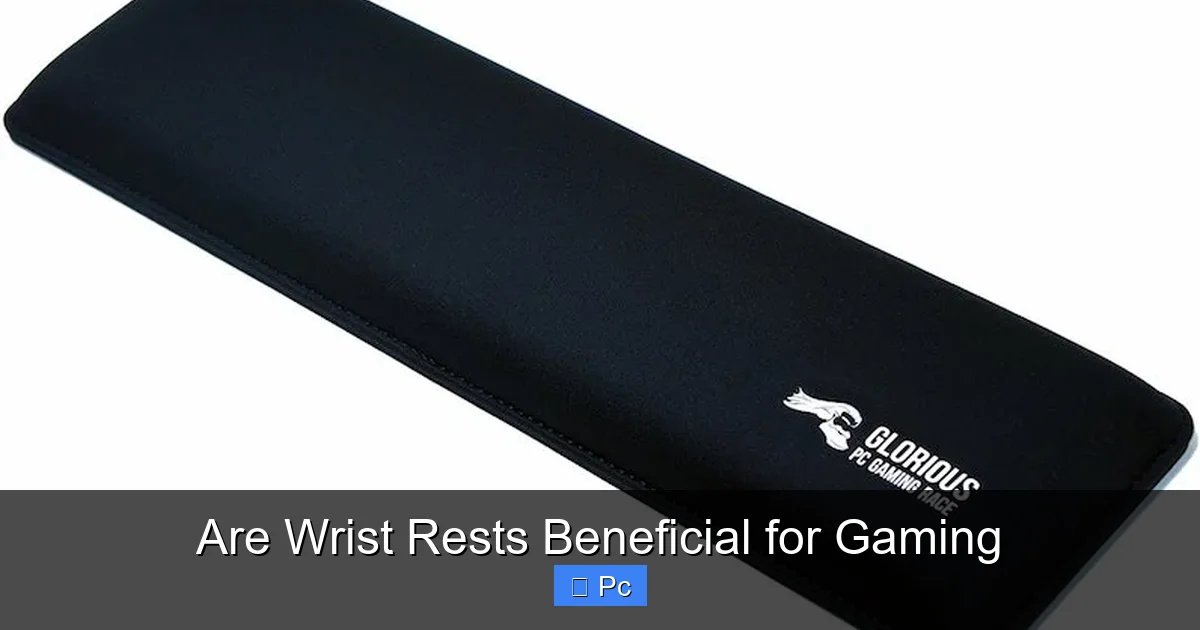
- Keyboard Wrist Rests: These are long pads that sit in front of your keyboard, supporting both wrists while typing. They’re ideal for gamers who use mechanical keyboards or spend a lot of time typing in-game commands or chatting with teammates.
- Mouse Wrist Rests: Smaller and more compact, these are designed specifically for the mouse hand. They help reduce strain during long aiming sessions, especially in FPS or MOBA games where precision is key.
- Integrated Wrist Rests: Some high-end keyboards and mousepads come with built-in wrist support. These are often more seamless and ergonomically designed, but they limit your ability to customize or replace the rest.
- Gel vs. Foam vs. Memory Foam: Gel rests offer a cool, firm feel and are great for people who tend to get sweaty hands. Foam is softer and more traditional, while memory foam conforms to your wrist shape for personalized support.
- Wood and Silicone Options: For a more premium or minimalist look, some gamers prefer wooden or silicone wrist rests. These are durable and easy to clean but may not offer as much cushioning as foam or gel.
Choosing the right type depends on your gaming style, desk setup, and personal comfort preferences. For example, if you play a lot of fast-paced shooters, a mouse wrist rest might be more useful. If you’re a streamer or content creator who types frequently, a keyboard wrist rest could be a better investment.
The Science Behind Wrist Support and Gaming Performance
Visual guide about Are Wrist Rests Beneficial for Gaming
Image source: highgroundgaming.com
You might be wondering: is there actual science backing the use of wrist rests, or is it just a marketing gimmick? The answer is yes—ergonomic research supports the idea that proper wrist alignment can improve both comfort and performance.
When your wrists are bent upward (a position called extension) or downward (flexion), the tendons and nerves in your forearm are under increased tension. This can lead to conditions like carpal tunnel syndrome, tendonitis, or general muscle fatigue. Over time, even mild strain can accumulate, leading to chronic pain or reduced dexterity.
A study published in the Journal of Occupational Rehabilitation found that using wrist supports during computer work reduced muscle activity in the forearm and improved typing comfort. While the study focused on office workers, the same principles apply to gamers, who often spend just as many hours—if not more—using keyboards and mice.
In gaming, even small improvements in comfort can translate to better performance. When your hands aren’t aching, you’re less likely to make mistakes due to fatigue. Your aim stays steady, your reaction times improve, and you can maintain focus for longer periods. Think about it: in a high-stakes match, a split-second delay or a misclick can cost you the game. Anything that helps you stay sharp and comfortable is worth considering.
Moreover, wrist rests can help prevent the “hovering” habit—where gamers lift their wrists off the desk to reduce friction. While this might seem like a way to move the mouse more freely, it actually increases muscle tension in the forearm and shoulder. A wrist rest encourages a more natural, relaxed posture, allowing for smoother, more controlled movements.
Real-World Examples
Let’s look at a few real-world scenarios where wrist rests make a noticeable difference:
- Competitive FPS Players: In games like Counter-Strike 2 or Valorant, precision is everything. A mouse wrist rest helps maintain a consistent grip and reduces hand fatigue during long aim training sessions. Pro players often use custom mousepads with built-in rests for this reason.
- MMORPG Gamers: Players of games like World of Warcraft or Final Fantasy XIV spend hours typing commands, managing inventories, and chatting. A keyboard wrist rest can prevent soreness during extended raids or questing.
- Streamers and Content Creators: Many streamers use wrist rests not just for gaming, but also for typing scripts, editing videos, or interacting with chat. The added comfort helps them stay productive during long streaming sessions.
These examples show that wrist rests aren’t just for casual gamers—they’re tools that can enhance performance across a wide range of gaming activities.
Benefits of Using Wrist Rests for Gamers

Visual guide about Are Wrist Rests Beneficial for Gaming
Image source: highgroundgaming.com
Now that we’ve covered the basics, let’s break down the specific benefits wrist rests offer to gamers. These aren’t just theoretical—they’re practical advantages that can make a real difference in your daily gaming routine.
1. Reduced Wrist and Hand Fatigue
One of the most immediate benefits of using a wrist rest is reduced fatigue. When your wrists are properly supported, the muscles in your hands and forearms don’t have to work as hard to maintain position. This means less strain during long sessions, whether you’re grinding levels or competing in tournaments.
Imagine playing a game for three hours straight. Without support, your wrists might start to feel stiff or tingly. With a wrist rest, that discomfort is significantly reduced. You can stay in the zone longer without needing to pause and shake out your hands.
2. Improved Posture and Alignment
Good posture isn’t just about sitting up straight—it’s also about how your hands and arms are positioned. A wrist rest encourages a neutral wrist alignment, which helps maintain a healthy posture overall. This can reduce tension in your neck, shoulders, and back, especially if you’re hunched over a desk for hours.
When your wrists are level with your keyboard and mouse, your arms rest naturally at your sides, and your shoulders stay relaxed. This alignment minimizes the risk of developing musculoskeletal issues over time.
3. Enhanced Precision and Control
For gamers, precision is everything. Whether you’re lining up a headshot or executing a complex combo, small movements matter. A wrist rest provides a stable surface that allows for smoother, more controlled mouse movements.
Without support, your hand might wobble or jerk slightly, especially during intense moments. A rest helps anchor your wrist, giving you a consistent base for aiming and movement. This can lead to better accuracy and fewer misclicks.
4. Prevention of Repetitive Strain Injuries (RSI)
Repetitive strain injuries are a real concern for anyone who uses a computer frequently. Conditions like carpal tunnel syndrome, tendonitis, and De Quervain’s tenosynovitis are often caused by repetitive motions and poor ergonomics.
Wrist rests help reduce the risk by minimizing awkward wrist angles and distributing pressure more evenly. While they’re not a cure-all, they’re an important part of a broader ergonomic strategy that includes proper seating, regular breaks, and stretching.
5. Better Comfort During Long Sessions
Let’s be honest—gaming marathons are part of the fun. But they can also be tough on your body. A wrist rest adds a layer of comfort that makes long sessions more enjoyable. Instead of focusing on sore hands, you can stay immersed in the game.
This is especially important for gamers who play competitively or stream for hours. Comfort directly impacts endurance, and endurance impacts performance.
Potential Downsides and Misconceptions
While wrist rests offer many benefits, they’re not a magic solution. There are some potential downsides and misconceptions to be aware of.
Over-Reliance on Wrist Rests
One common mistake is relying too heavily on a wrist rest. Some gamers press their wrists down hard, thinking it will improve stability. But this can actually increase pressure on the carpal tunnel and lead to numbness or tingling.
The key is to use the rest as a support, not a crutch. Your wrists should rest lightly on the pad, not bear your full weight. Think of it as a gentle guide, not a rigid brace.
Incorrect Positioning
Another issue is improper placement. If your wrist rest is too high, too low, or at the wrong angle, it can throw off your entire setup. Your keyboard and mouse should be at elbow height, and your wrists should remain straight—not bent up or down.
A good rule of thumb: if you have to lift your hands to reach the rest, it’s too high. If your wrists are bent downward, it’s too low. Adjust your desk, chair, or rest until everything feels natural.
Hygiene Concerns
Wrist rests, especially fabric or foam ones, can collect sweat, oil, and bacteria over time. If not cleaned regularly, they can become a breeding ground for germs. This is especially true for gamers who play in warm environments or don’t wash their hands often.
To avoid this, choose a rest with a removable, washable cover, or wipe it down with a disinfectant wipe weekly. Silicone and gel rests are easier to clean and more hygienic.
Not Suitable for Everyone
Finally, wrist rests aren’t ideal for every gamer. Some people find them uncomfortable or unnecessary. If you have a very low-profile keyboard or a compact desk, a wrist rest might get in the way. Others prefer the freedom of moving their hands without any support.
It’s important to listen to your body. If a wrist rest feels awkward or causes discomfort, it might not be right for you. Ergonomics is personal—what works for one person might not work for another.
How to Choose the Right Wrist Rest for Your Gaming Setup
With so many options on the market, choosing the right wrist rest can feel overwhelming. Here’s a practical guide to help you make the best choice for your needs.
1. Match the Size to Your Gear
Your wrist rest should be proportional to your keyboard or mouse. A full-sized keyboard needs a long rest that covers both wrists. A compact 60% keyboard might only need a smaller pad. For mice, look for a rest that’s wide enough to support your palm but not so large it gets in the way.
2. Consider the Material
- Memory Foam: Soft and contouring, great for long-term comfort. Best for gamers who want a plush feel.
- Gel: Cool and firm, ideal for people with sweaty hands. Offers consistent support without sinking.
- Silicone: Durable and easy to clean, but less cushioning. Good for minimalist setups.
- Wood: Stylish and sturdy, but may feel too hard for some. Best for aesthetic-focused builds.
3. Check the Height and Angle
The rest should be level with the base of your keyboard or mouse. If it’s too high, it can cause wrist extension. If it’s too low, it can lead to flexion. Some rests have a slight incline to promote a more natural hand position.
4. Look for Non-Slip Bases
A good wrist rest should stay in place during intense gaming. Look for models with rubberized bottoms or anti-slip coatings to prevent sliding.
5. Test Before You Buy
If possible, try out different wrist rests in person or read detailed reviews. What looks good online might not feel right in practice. Comfort is subjective, so personal testing is key.
Tips for Using Wrist Rests Effectively
Even the best wrist rest won’t help if you’re not using it correctly. Here are some tips to get the most out of your investment:
- Keep Your Wrists Light: Don’t press down hard. Let your wrists rest gently on the pad.
- Take Breaks: Use the 20-20-20 rule—every 20 minutes, look at something 20 feet away for 20 seconds. Stand up, stretch, and move around.
- Adjust Your Chair and Desk: Your setup should support your wrists, not just the rest. Make sure your elbows are at 90 degrees and your feet are flat on the floor.
- Stretch Regularly: Simple wrist and hand stretches can improve circulation and reduce stiffness.
- Clean Your Rest: Wipe it down weekly to maintain hygiene.
Conclusion: Are Wrist Rests Worth It for Gamers?
So, are wrist rests beneficial for gaming? The answer is a resounding yes—for most people. They offer real ergonomic benefits, from reducing fatigue and improving posture to enhancing precision and preventing injury. While they’re not essential for everyone, they’re a simple, affordable upgrade that can make a big difference in comfort and performance.
The key is to choose the right rest for your setup, use it correctly, and combine it with good habits like taking breaks and stretching. When used as part of a holistic approach to ergonomics, wrist rests can help you game longer, play better, and stay healthy.
Whether you’re a casual player or a competitive gamer, your hands and wrists deserve support. A wrist rest might just be the small change that leads to a big improvement in your gaming experience.
Frequently Asked Questions
Do wrist rests prevent carpal tunnel syndrome?
Wrist rests can help reduce the risk of carpal tunnel syndrome by promoting neutral wrist alignment, but they’re not a guaranteed prevention method. Proper ergonomics, regular breaks, and stretching are also essential.
Can I use a wrist rest with any keyboard?
Most wrist rests are compatible with standard keyboards, but you should check the dimensions. Low-profile or compact keyboards may require a smaller or custom-fit rest.
Are gel wrist rests better than foam?
It depends on preference. Gel rests offer firm, cool support and are great for sweaty hands, while foam is softer and more traditional. Memory foam provides the most contouring comfort.
How often should I clean my wrist rest?
Clean your wrist rest at least once a week with a disinfectant wipe, especially if it’s made of fabric or foam. Silicone and gel rests are easier to maintain.
Can wrist rests improve my gaming performance?
Indirectly, yes. By reducing fatigue and improving hand stability, wrist rests can help you maintain precision and focus during long gaming sessions.
Should I rest my wrists on the pad all the time?
No. Use the rest as a light support, not a constant pressure point. Your wrists should glide smoothly, not press down heavily.
