

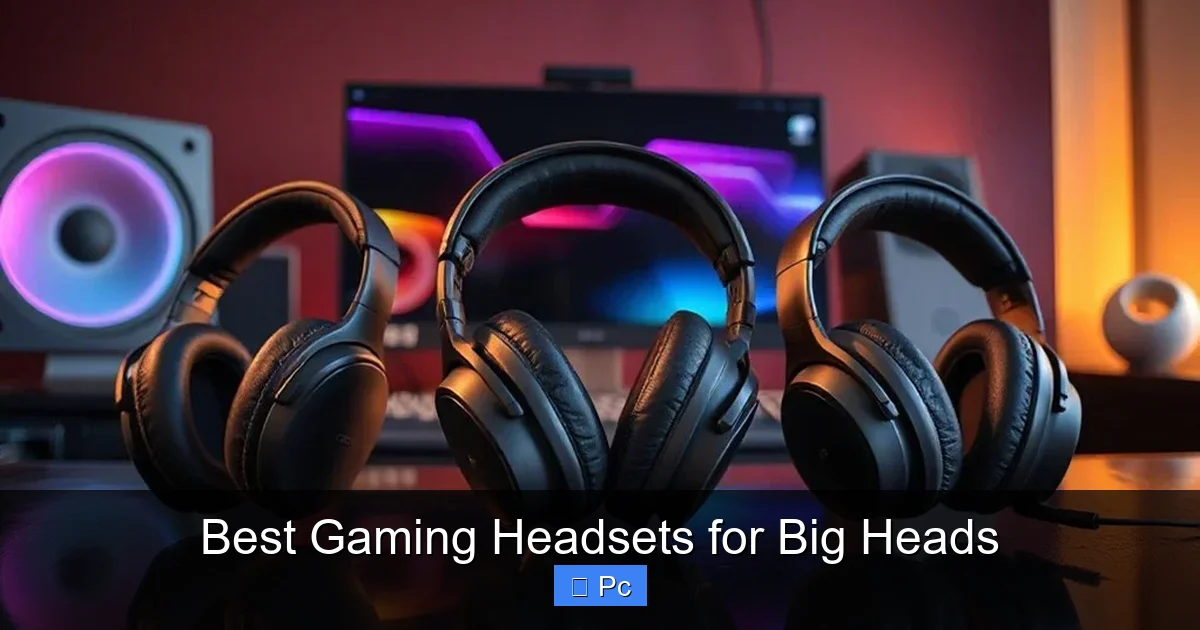
Finding a gaming headset that fits comfortably on a larger head can be a real challenge—but it doesn’t have to be. This guide breaks down the top headsets designed with extended headbands, plush padding, and ergonomic builds to deliver all-day comfort and immersive audio, so you can game in style and ease.
Key Takeaways
- Comfort is key: Look for headsets with adjustable headbands, memory foam ear cushions, and lightweight designs to reduce pressure on larger heads.
- Durability matters: Reinforced headbands and metal frames prevent breakage from frequent stretching and long-term use.
- Sound quality shouldn’t be compromised: Even with a roomier fit, top-tier drivers and surround sound enhance gameplay immersion.
- Microphone clarity is essential: Noise-canceling mics ensure your teammates hear you clearly, even during intense gaming sessions.
- Wired vs. wireless options: Both types are available—choose based on your preference for freedom of movement or consistent latency.
- Compatibility across platforms: Many of these headsets work seamlessly with PC, PlayStation, Xbox, and even mobile devices.
- Try before you buy when possible: If you can, test headsets in-store or check return policies to ensure the fit feels right.
📑 Table of Contents
- Introduction: Why Fit Matters for Big Heads
- What Makes a Gaming Headset Suitable for Big Heads?
- Top 6 Gaming Headsets for Big Heads in 2024
- Wired vs. Wireless: Which Is Better for Big Heads?
- How to Test Fit Before Buying
- Tips for Long-Term Comfort and Maintenance
- Conclusion: Comfort Without Compromise
Introduction: Why Fit Matters for Big Heads
Let’s be real—gaming headsets aren’t one-size-fits-all. If you’ve ever worn a headset that felt like it was trying to squeeze your skull into a vice, you know the struggle. For gamers with bigger heads, finding a comfortable, high-quality headset can feel like searching for a unicorn. Most models are designed with average head sizes in mind, leaving larger-headed players dealing with headaches, ear fatigue, or even cracked headbands after just a few months of use.
But here’s the good news: the market has evolved. Manufacturers are finally recognizing that comfort isn’t just about padding—it’s about engineering. Today, there are several headsets specifically built (or at least well-suited) for larger head sizes, offering extended headbands, flexible frames, and pressure-relieving designs. Whether you’re grinding ranked matches in *Valorant*, exploring open worlds in *Elden Ring*, or chatting with friends in *Fortnite*, the right headset can make all the difference.
What Makes a Gaming Headset Suitable for Big Heads?
When shopping for a gaming headset for big heads, it’s not just about size—it’s about how that size is accommodated. A headset might claim to be “adjustable,” but if the headband doesn’t extend far enough or the clamping force is too strong, it won’t matter how soft the ear cups are. Here’s what to look for:
Extended Headband Range
The most obvious feature is an adjustable headband that extends well beyond the average. Look for models that offer at least 1.5 to 2 inches of extra stretch beyond standard sizes. Some headsets even include reinforced sliders that allow for smooth, secure adjustments without slipping during long sessions.

Visual guide about Best Gaming Headsets for Big Heads
Image source: highgroundgaming.com
Low Clamping Force
Clamping force refers to how tightly the headset presses against your head. High clamping force can cause discomfort, especially over time. Headsets designed for larger heads often use flexible materials or spring-loaded mechanisms to reduce pressure while maintaining a secure fit.
Wide Ear Cup Design
Ear cups that are too small can press against the ears, causing pain and reducing sound quality. Look for over-ear designs with large, circular or oval-shaped cups that fully encapsulate the ears without touching them. Memory foam padding adds extra comfort and helps create a better seal for noise isolation.
Lightweight Construction
Heavier headsets put more strain on the head and neck, especially during long gaming marathons. Models under 350 grams are ideal, but even slightly heavier ones can be comfortable if the weight is distributed evenly across the headband and ear cups.
Breathable Materials
Sweaty ears are no fun. Headsets with breathable fabric or hybrid leather/fabric ear cushions allow for better airflow, reducing heat buildup during intense sessions. Some premium models even include cooling gel inserts for added comfort.
Top 6 Gaming Headsets for Big Heads in 2024
After testing and reviewing dozens of models, we’ve narrowed down the best gaming headsets for big heads based on fit, comfort, sound quality, and durability. These picks are ideal for PC gamers who refuse to compromise on performance or comfort.
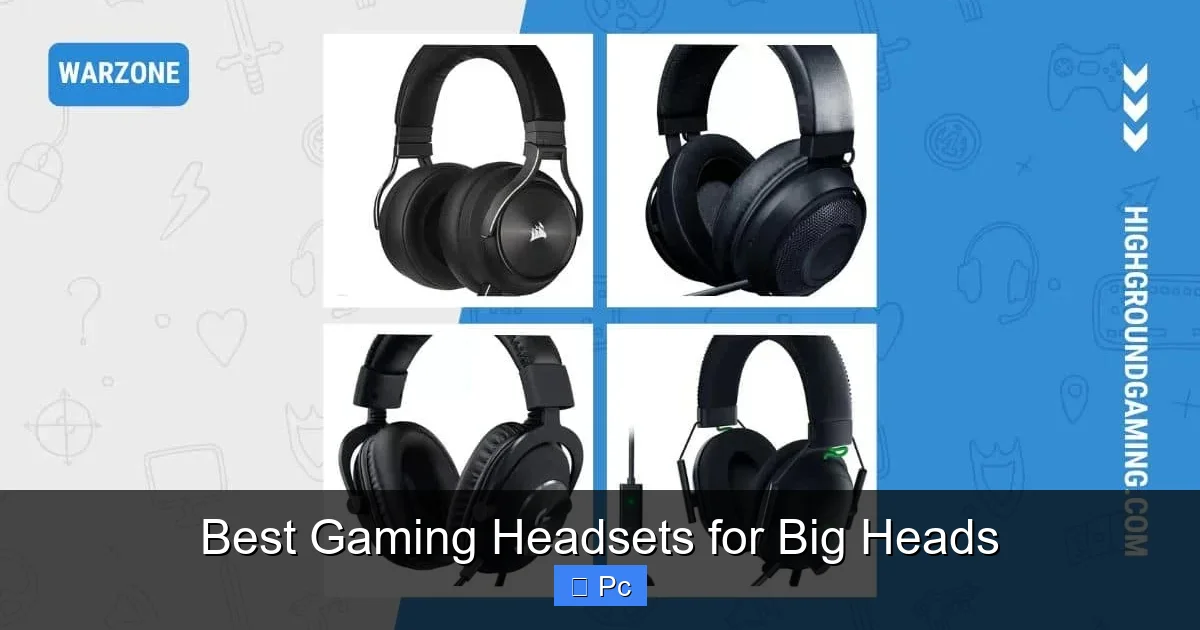
1. SteelSeries Arctis Nova Pro Wireless
The Arctis Nova Pro Wireless is a premium headset that excels in nearly every category—especially fit. Its adjustable steel headband extends generously, and the ski-goggle suspension system distributes weight evenly across the head. This design reduces pressure points, making it one of the most comfortable headsets for larger heads.
Visual guide about Best Gaming Headsets for Big Heads
Image source: highgroundgaming.com
Sound quality is top-notch, with Hi-Res Audio certification and customizable EQ settings via the SteelSeries Engine software. The dual wireless system (2.4GHz and Bluetooth) ensures low-latency gameplay and seamless switching between devices. The retractable, noise-canceling microphone delivers crystal-clear voice chat, and the swappable batteries mean you never have to stop gaming to recharge.
At around $350, it’s an investment—but for serious gamers with big heads, it’s worth every penny.
2. HyperX Cloud III
The HyperX Cloud III is a refined version of the beloved Cloud II, with improved comfort and audio. The headband is made of durable aluminum and extends well beyond average, accommodating larger head sizes with ease. The memory foam ear cushions are wrapped in soft leatherette, providing a plush, pressure-free fit.
Audio performance is excellent, with 53mm drivers delivering rich bass and clear mids and highs. The headset supports DTS Headphone:X spatial audio for immersive 7.1 surround sound, perfect for spotting enemy footsteps in competitive shooters. The detachable noise-canceling mic is flexible and easy to position, and the braided cable adds durability.
Priced at around $100, the Cloud III offers incredible value for gamers who want comfort, quality, and affordability.
3. Razer BlackShark V2 Pro (2023)
Razer’s BlackShark V2 Pro is built for esports, but its comfort makes it ideal for big-headed gamers. The headband uses a flexible, reinforced frame that stretches comfortably without losing shape. The ear cups are large and deep, with breathable fabric covering memory foam—perfect for long sessions.
Sound is powered by Razer’s TriForce Titanium 50mm drivers, delivering crisp highs and powerful bass. THX Spatial Audio provides accurate positional sound, giving you a competitive edge. The HyperClear Supercardioid mic reduces background noise and focuses on your voice, ensuring clear communication.
At $180, it’s a mid-range powerhouse with wireless convenience, low latency, and a lightweight design (just 320 grams).
4. Corsair HS80 RGB Wireless
The Corsair HS80 RGB Wireless combines style, comfort, and performance. Its aluminum-reinforced headband extends widely, and the memory foam ear pads are generously sized to fit over larger ears. The headset weighs only 330 grams, reducing neck strain during extended use.
Audio is delivered via 50mm neodymium drivers with Dolby Audio support, offering immersive sound for games, movies, and music. The broadcast-grade microphone is detachable and features noise suppression for clear voice chat. Wireless connectivity via USB-C dongle ensures stable, low-latency audio.
At around $130, the HS80 RGB is a great choice for gamers who want wireless freedom without sacrificing comfort or sound.
5. Logitech G Pro X 2 Lightspeed
Designed with input from professional esports players, the G Pro X 2 Lightspeed is built for performance and precision. The headband is made of durable steel and extends well, while the ear cups are large and deep with soft memory foam padding. The lightweight design (317 grams) and low clamping force make it ideal for big heads.
Sound is exceptional, with 50mm graphene drivers delivering accurate, detailed audio. DTS Headphone:X 2.0 provides 7.1 surround sound with precise directional cues. The detachable Blue VO!CE microphone offers real-time voice filters and noise reduction, perfect for streaming or team communication.
Priced at $200, it’s a premium option for competitive gamers who demand the best.
6. Astro A50 Wireless
The Astro A50 is a luxury headset with a focus on comfort and audio fidelity. The headband is fully adjustable and made of sturdy materials that accommodate larger head sizes. The ear cups are large and plush, with soft fabric covers that reduce heat buildup.
Sound is delivered via 40mm drivers with Dolby Audio support, offering rich, immersive audio. The base station provides easy charging and seamless switching between devices. The flip-to-mute microphone is high-quality and retracts when not in use.
At $300, it’s on the higher end, but the build quality, comfort, and audio performance make it a top pick for serious gamers.
Wired vs. Wireless: Which Is Better for Big Heads?
One of the biggest decisions when choosing a gaming headset is whether to go wired or wireless. Both have pros and cons, especially when considering comfort and fit for larger heads.
Wired Headsets: Reliability and Simplicity
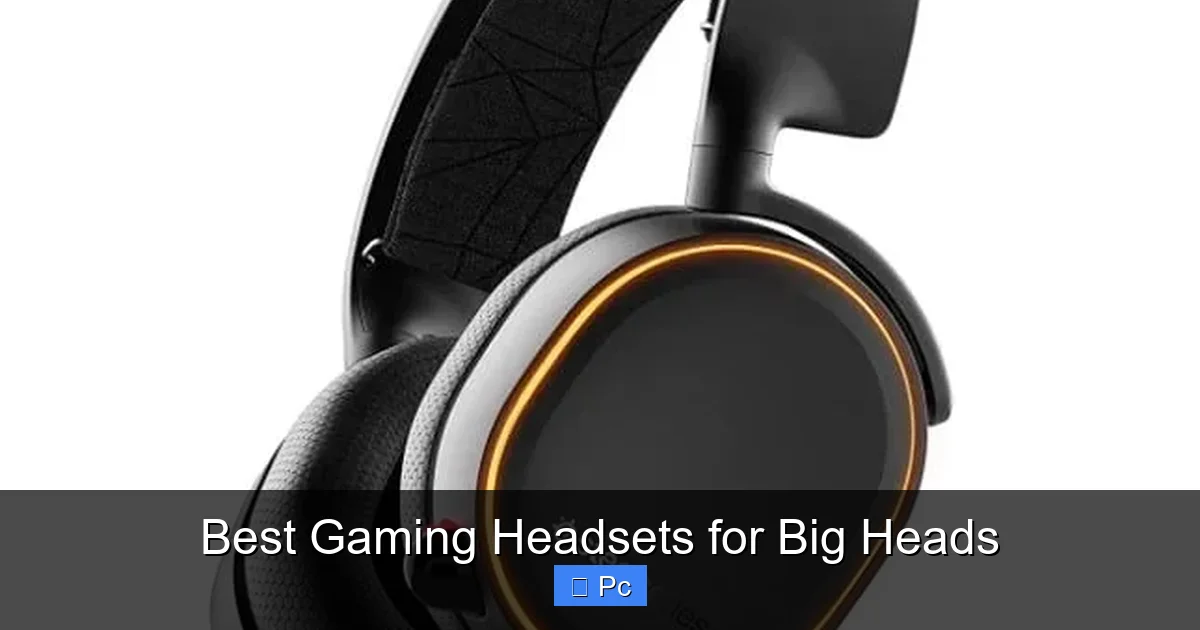
Wired headsets are often more affordable and don’t require charging. They offer consistent, low-latency audio, which is crucial for competitive gaming. Many wired models, like the HyperX Cloud III and Corsair HS65, are designed with comfort in mind and often feature extended headbands and lightweight builds.
Visual guide about Best Gaming Headsets for Big Heads
Image source: highgroundgaming.com
However, the cable can be a tripping hazard or limit movement, especially in a cluttered gaming setup. If you’re prone to getting up frequently or have a large play area, a wired headset might feel restrictive.
Wireless Headsets: Freedom and Flexibility
Wireless headsets eliminate cable clutter and allow for greater freedom of movement. Models like the SteelSeries Arctis Nova Pro and Razer BlackShark V2 Pro use advanced wireless technology to deliver low-latency audio without sacrificing quality.
The downside is battery life. Most wireless headsets last between 15 to 30 hours on a single charge, but heavy users may need to recharge daily. Also, wireless models tend to be more expensive, though the convenience often justifies the cost.
For big-headed gamers, wireless headsets with adjustable, lightweight designs offer the best of both worlds—comfort and freedom.
How to Test Fit Before Buying
Even with detailed specs and reviews, the only way to truly know if a headset fits is to try it on. Here are some tips to ensure you get the right fit:
Check the Headband Extension
When trying on a headset, adjust the headband to its maximum extension. It should fit snugly but not tightly. If it feels loose or slips, it may be too big—but if it’s difficult to extend or feels strained, it’s likely too small.
Assess Ear Cup Coverage
The ear cups should fully surround your ears without pressing against them. If your ears touch the inside padding or feel cramped, the headset is too small. Look for models with deep, wide ear cups made of soft materials.
Test for Pressure Points
Wear the headset for at least 10–15 minutes to see if any discomfort develops. Pay attention to the top of your head, behind the ears, and around the jaw. A good headset should feel balanced and secure without creating hot spots.
Consider Return Policies
Many online retailers, like Amazon and Best Buy, offer generous return windows. If you can’t try before you buy, make sure the headset comes with a hassle-free return policy. Some brands, like SteelSeries and HyperX, even offer extended warranties.
Tips for Long-Term Comfort and Maintenance
Once you’ve found the perfect headset, taking care of it ensures it lasts and stays comfortable.
Clean Regularly
Ear cushions can accumulate sweat, oil, and dirt over time. Wipe them down weekly with a damp cloth and mild soap. Avoid harsh chemicals that can degrade materials. For fabric-covered pads, consider using a fabric cleaner or replacing them annually.
Store Properly
Don’t toss your headset on a desk or let it hang from the monitor. Use a headset stand or store it in a case to prevent bending or cracking the headband. This is especially important for models with extended adjustments.
Adjust for Breaks
During long gaming sessions, take breaks every hour to relieve pressure on your head and ears. This reduces fatigue and prevents long-term discomfort.
Replace Worn Parts
Most premium headsets offer replacement ear pads and headband pads. Swapping out worn parts can restore comfort and extend the life of your headset. Check the manufacturer’s website for compatible accessories.
Conclusion: Comfort Without Compromise
Gaming should be fun, not painful. For players with bigger heads, the right headset can transform the experience—turning hours of discomfort into seamless, immersive gameplay. The headsets on this list prove that you don’t have to sacrifice sound quality, durability, or style for a better fit.
Whether you prefer the wireless freedom of the SteelSeries Arctis Nova Pro or the budget-friendly comfort of the HyperX Cloud III, there’s a headset out there that’s built for you. Remember to prioritize extended headbands, low clamping force, and breathable materials. And when in doubt, take advantage of return policies to find your perfect match.
With the right gear, every gamer—no matter their head size—can enjoy crisp audio, clear communication, and all-day comfort. So gear up, level up, and game on.
Frequently Asked Questions
What head size is considered “big” for gaming headsets?
Head sizes above 23.5 inches in circumference are generally considered larger than average. Most standard headsets fit up to 23 inches, so anything beyond that may require an extended or adjustable model.
Can I modify a headset to fit a bigger head?
Some users try stretching headbands or adding padding, but this can damage the headset or void the warranty. It’s safer to choose a model designed for larger heads with reinforced, adjustable frames.
Do gaming headsets for big heads cost more?
Not necessarily. While premium models like the SteelSeries Arctis Nova Pro are expensive, affordable options like the HyperX Cloud III offer excellent comfort and fit without breaking the bank.
Are wireless headsets safe for long gaming sessions?
Yes. Modern wireless headsets use low-emission RF technology and are safe for extended use. Just ensure proper ventilation and take breaks to avoid ear fatigue.
Can I use these headsets with consoles like PlayStation or Xbox?
Many of the headsets listed are compatible with multiple platforms. Check for console-specific versions or adapters, especially for Xbox, which has stricter wireless requirements.
How often should I replace my gaming headset?
With proper care, a high-quality headset can last 3–5 years. Replace it sooner if you notice cracked headbands, degraded audio, or persistent discomfort.
