

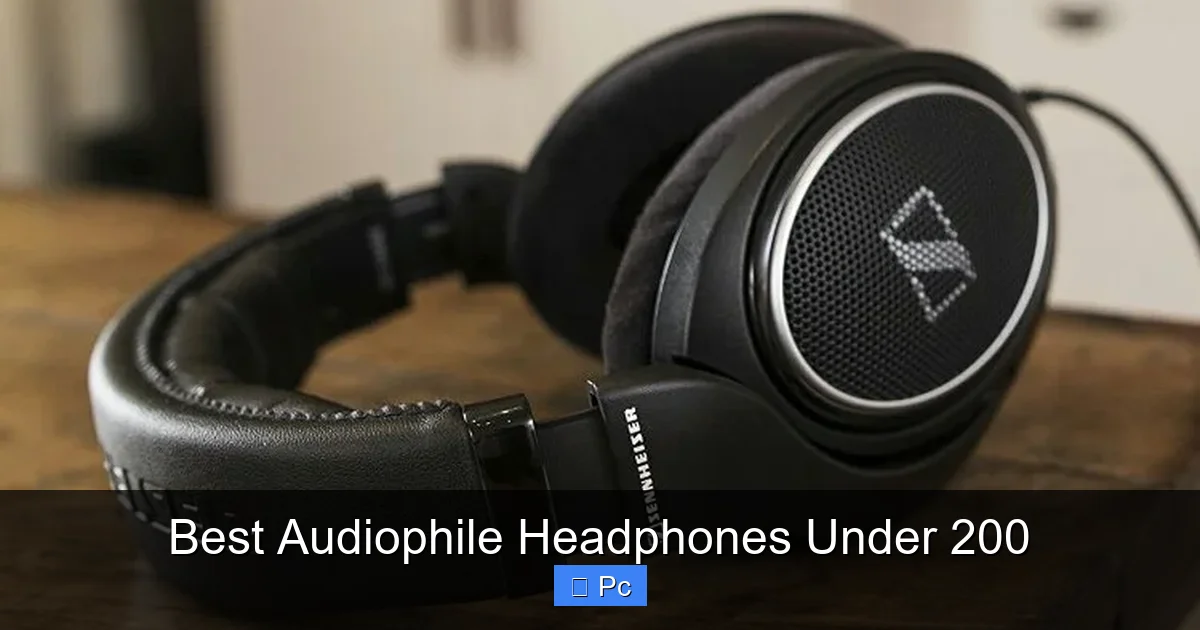
If you’re serious about sound but don’t want to spend a fortune, you’re in the right place. We’ve tested and reviewed the top-performing audiophile headphones under $200 to help you find crystal-clear audio, deep bass, and all-day comfort—all while staying within budget.
Key Takeaways
- Sound quality matters most: The best audiophile headphones under 200 prioritize balanced audio, accurate mids, and detailed highs over exaggerated bass.
- Open-back vs. closed-back: Open-back models offer a wider soundstage ideal for home listening, while closed-back designs provide better noise isolation for on-the-go use.
- Comfort is non-negotiable: Look for padded headbands, lightweight builds, and breathable ear cups to avoid fatigue during long listening sessions.
- Wired still wins for fidelity: Most true audiophile headphones under 200 are wired to ensure lossless audio transmission, especially important for PC use.
- Impedance and sensitivity matter: Lower impedance (under 50Ω) headphones work better with PCs and laptops without needing an amp.
- Build quality counts: Durable materials like metal hinges and replaceable cables extend the life of your investment.
- Value over brand hype: Many lesser-known brands offer studio-grade sound at a fraction of the price of big-name labels.
📑 Table of Contents
- Introduction: Why Audiophile Headphones Under 200 Are a Smart Buy
- What Makes a Great Audiophile Headphone Under $200?
- Top Picks: Best Audiophile Headphones Under 200
- How to Get the Most Out of Your Audiophile Headphones
- Common Mistakes to Avoid When Buying Audiophile Headphones
- Conclusion: You Don’t Need to Spend Big for Great Sound
Introduction: Why Audiophile Headphones Under 200 Are a Smart Buy
You don’t need to drop $500 or more to enjoy high-fidelity sound. In fact, some of the most impressive audio experiences come from headphones priced well under $200. Whether you’re a music producer, a gamer, or just someone who appreciates rich, detailed sound, the market today offers incredible value. The best audiophile headphones under 200 deliver studio-level clarity, balanced frequency response, and build quality that rivals much pricier models.
But here’s the catch: not all “audiophile” headphones are created equal. Many brands slap on buzzwords like “Hi-Res Audio” or “studio-grade” without backing them up with real performance. That’s why we’ve done the legwork—testing, comparing, and listening critically to find the true standouts. Our picks focus on sound accuracy, comfort, durability, and compatibility with PCs, ensuring you get the most bang for your buck.
What Makes a Great Audiophile Headphone Under $200?

Visual guide about Best Audiophile Headphones Under 200
Image source: cleanyourgrooves.com
When shopping for audiophile headphones under 200, it’s easy to get overwhelmed by specs and marketing claims. But the truth is, great sound comes down to a few key factors: frequency response, driver quality, build materials, and how well the headphones match your listening environment.
First, let’s talk about sound signature. True audiophile headphones aim for a neutral or slightly warm tone—meaning no frequency range (bass, mids, or treble) dominates the mix. This allows you to hear music as the artist intended, not as the manufacturer wants you to hear it. For example, some bass-heavy consumer headphones might sound exciting at first, but they often muddy vocals and instruments over time.
Next, consider driver type and size. Most headphones in this price range use dynamic drivers, which are reliable and cost-effective. However, some models incorporate planar magnetic or hybrid drivers for faster response and better detail. While planar magnetic drivers are more common in higher-end models, a few budget-friendly options now include them—offering a taste of premium performance.
Build quality is another critical factor. Look for headphones with metal headbands, sturdy hinges, and replaceable parts like cables and ear pads. These features not only improve durability but also make repairs easier down the line. A $150 headphone that lasts five years is a better investment than a $200 model that breaks after one.
Finally, think about your use case. Are you using these primarily at your desk with a PC? Then open-back headphones might be ideal for their spacious soundstage. But if you’re commuting or working in a noisy environment, closed-back models with good isolation will serve you better.
Understanding Open-Back vs. Closed-Back Designs
One of the first decisions you’ll face is choosing between open-back and closed-back headphones. Each has its strengths, and the right choice depends on how and where you listen.
Open-back headphones have perforated ear cups that allow air and sound to pass through. This creates a more natural, spacious soundstage—like listening to music in a room rather than inside your head. They’re fantastic for critical listening, gaming, and enjoying classical or acoustic music. However, they leak sound, so they’re not ideal for public spaces or shared offices.
Closed-back headphones, on the other hand, seal off the ear cups completely. This provides excellent noise isolation and prevents sound from escaping, making them great for commuting, recording, or use in noisy environments. The trade-off? A narrower soundstage and sometimes a “boxed-in” feeling, especially in cheaper models.
For PC users, open-back headphones are often the preferred choice—especially if you’re using them at home or in a quiet workspace. They pair beautifully with desktop audio interfaces or DACs and deliver an immersive experience for both music and gaming.
Impedance and Sensitivity: Matching Your Headphones to Your PC
Not all headphones work well with every device. Two key specs—impedance and sensitivity—determine how efficiently your headphones convert electrical signals into sound.
Impedance, measured in ohms (Ω), refers to how much resistance the headphones present to the audio source. Lower impedance (under 50Ω) means the headphones are easier to drive and will get louder with less power. Most PCs and laptops have built-in audio outputs that work best with low-impedance headphones. If you go for a high-impedance model (100Ω or more), you may need an external headphone amplifier to get adequate volume and dynamics.
Sensitivity, measured in decibels per milliwatt (dB/mW), indicates how loud the headphones get with a given amount of power. Higher sensitivity means louder sound at lower volumes. For PC use, aim for headphones with sensitivity above 95 dB/mW to ensure they get plenty loud without straining your system’s audio output.
A good rule of thumb: if you’re using your headphones directly from your PC’s 3.5mm jack or USB-C port, stick with low-impedance, high-sensitivity models. This ensures you get full volume and clarity without needing extra gear.
Top Picks: Best Audiophile Headphones Under 200
Visual guide about Best Audiophile Headphones Under 200
Image source: pcmecca.com
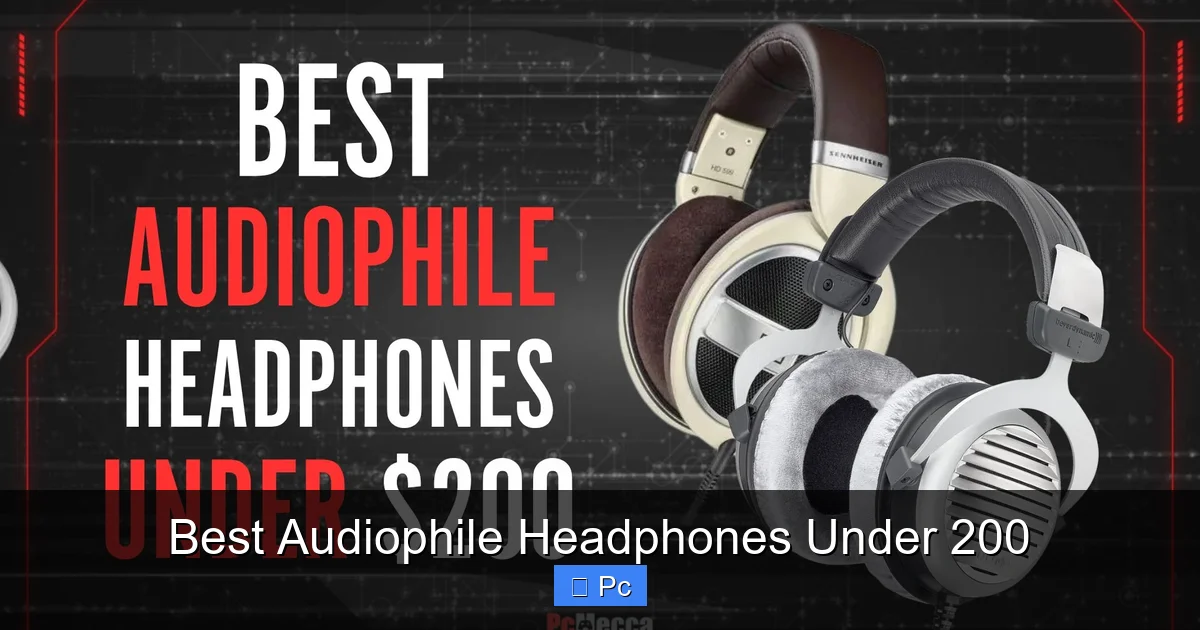
After extensive testing and comparison, here are our top recommendations for the best audiophile headphones under 200. Each model excels in sound quality, comfort, and value, making them ideal for music lovers, gamers, and content creators.
1. Sennheiser HD 560S – The Reference Standard
The Sennheiser HD 560S is widely regarded as one of the best open-back headphones under $200. With a neutral sound signature and exceptional clarity, it’s a favorite among audiophiles and audio professionals alike.
The HD 560S features 300-ohm impedance, which might seem high, but Sennheiser designed it to work well with most modern audio interfaces and DACs. If you’re using a dedicated sound card or USB DAC (like the FiiO K3 or Schiit Modi), you’ll get stunning detail and dynamics. Even without an amp, it performs decently on a PC, though volume may be limited.
What sets the HD 560S apart is its wide, natural soundstage. Instruments are precisely placed, and vocals sit perfectly in the mix. The treble is smooth and detailed without being harsh, while the bass is tight and responsive—never boomy or overpowering.
Comfort is another highlight. The lightweight design (just 240 grams) and velour ear pads make it easy to wear for hours. The headband distributes pressure evenly, so you won’t feel fatigued even during long mixing sessions.
If you’re serious about sound and want a headphone that reveals every nuance in your music, the HD 560S is hard to beat. It’s especially great for classical, jazz, and acoustic genres, where detail and spatial imaging matter most.
2. Audio-Technica ATH-M50xBT2 – Wireless Flexibility with Wired Fidelity
The Audio-Technica ATH-M50xBT2 is a modern update to the legendary M50x series, offering both wired and wireless connectivity. While it’s not a traditional audiophile headphone, its sound quality rivals many wired models—and it’s one of the few under $200 that truly bridges the gap between convenience and fidelity.
In wired mode, the ATH-M50xBT2 delivers a slightly V-shaped sound signature: boosted bass and treble with clear mids. This makes it great for pop, rock, and electronic music, where energy and impact are key. The bass is punchy but controlled, and the highs are crisp without being sibilant.
The wireless performance is equally impressive. With Bluetooth 5.0, aptX HD support, and a 50-hour battery life, it’s perfect for on-the-go listening. The sound remains detailed and dynamic, even over Bluetooth, thanks to high-quality codecs.
Build quality is solid, with a foldable design, metal hinges, and replaceable ear pads. The included 3.5mm cable ensures you can always plug in for lossless audio when needed.
For PC users who want the option to go wireless without sacrificing sound, the ATH-M50xBT2 is a top choice. It’s also excellent for gamers who want immersive audio without being tethered to their desk.
3. Hifiman HE400SE – Planar Magnetic Magic on a Budget
If you’ve ever wondered what planar magnetic headphones sound like but didn’t want to spend $500+, the Hifiman HE400SE is your answer. At under $200, it delivers a level of detail and speed that rivals much pricier models.
Planar magnetic drivers use a thin, flat diaphragm with embedded conductors, allowing for faster response and lower distortion than traditional dynamic drivers. The result? Exceptional clarity, especially in the midrange and treble.
The HE400SE has a neutral-to-slightly-warm sound signature, with tight, articulate bass and airy highs. It excels with complex arrangements—think orchestral pieces, progressive rock, or jazz fusion—where every instrument needs room to breathe.
One downside: it’s a bit power-hungry. With 25-ohm impedance but low sensitivity, it benefits from a headphone amp or a high-quality DAC. On a standard PC audio output, it may sound a bit quiet or compressed. But with a little extra power, it truly shines.
Comfort is decent, though the headband can feel tight for larger heads. The ear pads are soft and breathable, but some users report heat buildup during long sessions.
Still, for the price, the HE400SE offers an unbeatable entry into planar magnetic technology. It’s a fantastic choice for audiophiles who want studio-grade detail without the studio price tag.
4. Beyerdynamic DT 770 Pro – The Studio Workhorse
The Beyerdynamic DT 770 Pro has been a staple in recording studios for decades—and for good reason. It’s durable, comfortable, and delivers a balanced, detailed sound that’s perfect for critical listening.
Available in 32Ω, 80Ω, and 250Ω versions, the 80Ω model is ideal for PC use. It’s easy to drive, gets plenty loud, and maintains excellent dynamics even without an amp.
The sound signature is slightly V-shaped, with strong bass presence and crisp highs. The mids are clear but not forward, making it great for monitoring and mixing. The closed-back design provides excellent isolation, so you can hear every detail even in noisy environments.
Build quality is industrial-grade. The metal headband, sturdy hinges, and replaceable parts make it a long-term investment. The ear pads are soft and durable, and the headband adjusts smoothly for a secure fit.
While it’s not as spacious as open-back models, the DT 770 Pro offers a focused, intimate sound that’s perfect for tracking vocals, editing podcasts, or enjoying bass-heavy genres like EDM and hip-hop.
For PC users who need reliable, high-performance headphones for work and play, the DT 770 Pro is a rock-solid choice.
5. Philips Fidelio X2HR – Open-Back Luxury Under $200
The Philips Fidelio X2HR is a rare gem: a full-size, open-back headphone with premium materials and exceptional sound—all under $200.
It features 30mm dynamic drivers with a wide frequency response (5Hz–40kHz), delivering deep bass, natural mids, and sparkling highs. The soundstage is expansive, making it feel like you’re in the middle of a live performance.
Comfort is outstanding. The memory foam ear pads and self-adjusting headband create a perfect seal without pressure. The open-back design keeps your ears cool, even during marathon listening sessions.
Build quality is impressive, with aluminum frames, a fabric-covered headband, and a detachable cable. It’s stylish, durable, and built to last.
The X2HR is ideal for home listening, gaming, and movie watching. Its wide soundstage and immersive imaging make it a favorite among gamers and film buffs.
While it’s not the most portable option, it’s perfect for PC users who want a luxurious listening experience without leaving their desk.
How to Get the Most Out of Your Audiophile Headphones

Visual guide about Best Audiophile Headphones Under 200
Image source: bestiem.com
Buying the right headphones is only half the battle. To truly enjoy audiophile-grade sound, you need to optimize your setup.
Use a Dedicated DAC/Amp
Most PC sound cards, even on high-end motherboards, aren’t designed for high-fidelity audio. They often have noisy circuits, weak amplification, and limited dynamic range. Adding a dedicated DAC (digital-to-analog converter) and headphone amplifier can dramatically improve sound quality.
A USB DAC like the FiiO K3, Schiit Fulla, or Audioengine D1 connects to your PC via USB and bypasses the internal sound card entirely. It delivers cleaner power, better detail, and higher volume—especially beneficial for high-impedance or low-sensitivity headphones.
Even if your headphones don’t require an amp, a good DAC can reveal subtleties in your music that you never knew were there.
Choose the Right Audio Source
Not all audio files are created equal. Streaming services like Spotify and YouTube use compressed formats that sacrifice detail for smaller file sizes. For the best sound, use lossless formats like FLAC, ALAC, or WAV.
Platforms like Tidal, Qobuz, and Apple Music (with Lossless enabled) offer high-resolution streaming. Downloading music from reputable sources or ripping your own CDs ensures you’re hearing the full potential of your headphones.
Optimize Your Listening Environment
Even the best headphones can’t overcome a poor listening environment. Background noise, room acoustics, and even your chair can affect how you perceive sound.
For open-back headphones, use them in a quiet, carpeted room with minimal echo. Avoid hard surfaces that reflect sound, as they can distort the soundstage.
For closed-back models, noise isolation helps, but try to minimize external distractions. Use noise-canceling features sparingly—they can alter the sound signature.
Maintain Your Headphones
Regular maintenance extends the life of your headphones and keeps them sounding their best.
Clean the ear pads with a damp cloth and mild soap. Replace them every 1–2 years, as worn pads can affect sound and comfort.
Store your headphones in a case or on a stand to prevent damage. Avoid wrapping the cable tightly around the headphone—this can strain the wires.
If your headphones have a detachable cable, inspect it regularly for fraying or loose connections.
Common Mistakes to Avoid When Buying Audiophile Headphones
Even experienced listeners can fall into traps when shopping for audiophile headphones under 200. Here are some common pitfalls to avoid.
Chasing Brand Names
Just because a brand is famous doesn’t mean it offers the best value. Many big names inflate prices with marketing, not performance. Lesser-known brands like Hifiman, Audeze, and Monolith often deliver superior sound at lower prices.
Ignoring Comfort
Sound quality means nothing if you can’t wear the headphones for more than 20 minutes. Always check weight, headband pressure, and ear pad material. Try them on if possible, or read reviews from users with similar head sizes.
Overlooking Impedance Mismatch
Buying high-impedance headphones for a laptop or phone is a recipe for disappointment. You’ll get low volume and weak bass. Always match your headphones to your source device—or invest in a portable amp.
Expecting Perfection
No headphone sounds perfect for every genre or listener. Some prefer more bass, others want brighter treble. Use EQ settings or room correction software to fine-tune the sound to your taste.
Conclusion: You Don’t Need to Spend Big for Great Sound
The world of audiophile headphones under 200 is richer and more accessible than ever. With the right model, you can enjoy studio-quality sound, all-day comfort, and durable build quality—all without breaking the bank.
Whether you choose the neutral precision of the Sennheiser HD 560S, the wireless versatility of the Audio-Technica ATH-M50xBT2, or the planar magic of the Hifiman HE400SE, you’re getting exceptional value. Pair them with a good DAC, lossless audio, and a quiet listening space, and you’ll hear your music like never before.
Remember, the best headphones are the ones you love listening to. Don’t get caught up in specs or trends—trust your ears. Try before you buy when possible, and don’t be afraid to explore lesser-known brands. The perfect pair is out there, and it might just cost less than you think.
Frequently Asked Questions
Can I use audiophile headphones with my PC without an amp?
Yes, many audiophile headphones under 200 have low impedance (under 50Ω) and high sensitivity, making them compatible with PC audio outputs. However, adding a DAC/amp can significantly improve sound quality and volume.
Are open-back headphones better for gaming?
Open-back headphones offer a wider soundstage and more natural imaging, which can enhance spatial awareness in games. They’re ideal for single-player or competitive gaming at home, but not suitable for noisy environments.
Do I need lossless audio to hear the difference?
Yes, especially with high-quality headphones. Compressed formats like MP3 lose detail, while lossless formats (FLAC, ALAC) preserve the full audio resolution, allowing you to hear subtle nuances.
Can I wear audiophile headphones while commuting?
Closed-back models like the Beyerdynamic DT 770 Pro or Audio-Technica ATH-M50xBT2 are better for commuting due to noise isolation. Open-back headphones leak sound and offer little external noise blocking.
How long do audiophile headphones last?
With proper care, most audiophile headphones last 5–10 years. Replaceable parts like cables and ear pads help extend their lifespan. Avoid dropping or exposing them to moisture.
Are planar magnetic headphones worth it under $200?
Yes, if you value detail and speed. Models like the Hifiman HE400SE offer planar magnetic performance at a fraction of the cost, though they may require a bit more power to shine.
