


Your follow focus is slipping off the lens gear because of common issues like a loose mounting system, worn-out gears, or improper alignment. This guide will help you diagnose and fix the problem quickly.
Key Takeaways
- Tighten mounting clamps for a secure fit.
- Inspect gears for damage or debris.
- Ensure proper lens and follow focus alignment.
- Consider gear ring replacements for worn components.
- Calibrate your follow focus for consistent performance.
- Clean both lens and follow focus gears regularly.
Hey there, fellow filmmaker! Ever been in the middle of a crucial shot, only to have your follow focus gear slip off your lens? It’s a frustrating moment that can derail your creative flow and ruin a perfect take. If you’re wondering, “Why is my follow focus slipping off the lens gear?”, you’re not alone. This is a common problem that beginners and even experienced shooters can encounter. But don’t worry! Understanding the root causes is the first step to fixing it. In this article, we’ll break down the typical reasons for this issue and provide you with straightforward, actionable solutions so you can get back to smooth, professional focus pulls.
Understanding Your Follow Focus System
Before we dive into why your follow focus might be slipping, let’s quickly touch upon what it is and how it works. A follow focus system is a manual device that attaches to your camera lens. It allows for precise and smooth focus adjustments during recording, often using a handwheel. This is essential for cinematographers who need to pull focus from one subject to another seamlessly. The magic happens when a gear on the follow focus unit meshes perfectly with a gear on the lens itself, usually the focus ring. When this connection breaks, you experience that dreaded slip.
The key components involved are:
- Follow Focus Unit: The main device with the handwheel and internal gearing.
- Drive Gear: The gear attached to the follow focus unit that connects to the lens.
- Lens Gear/Gear Ring: The ring that attaches to your lens, often with teeth that engage the follow focus drive gear. Some lenses have integrated gears, while others require an accessory gear ring.
- Mounting System: The clamps or arms that secure the follow focus unit to your camera rig (like a 15mm or 19mm rod system).
When any part of this interconnected system fails, you can end up with a slipping follow focus. Let’s explore the most common culprits.
Common Reasons Why Your Follow Focus Is Slipping
There are several reasons why your follow focus might be losing its grip on the lens gear. We’ll break these down into categories for easier troubleshooting.
1. Issues with the Mounting System
The stability of your follow focus unit is paramount. If the unit itself isn’t securely attached to your camera rig, it can shift and cause the gears to disengage. This is often the simplest problem to identify and fix.
Loose Rod Clamps
Most follow focus systems attach to camera rigs via rod clamps. These clamps are designed to grip onto standard camera support rods (typically 15mm or 19mm). If these clamps are not tightened sufficiently, the entire follow focus unit can wobble or slide along the rods, breaking the connection with the lens gear.
- Symptoms: The entire follow focus unit moves when you turn the handwheel, or it feels loose on the rods.
- Solution: Ensure the locking screws on the rod clamps are fully tightened. Use a screwdriver or Allen key (depending on your system) and give them a good, firm turn. Don’t overtighten to the point of damaging your rods, but make sure there’s no play.
Improper Arm/Offset Adjustment
Some follow focus units have adjustable arms or offset mechanisms that allow you to position the drive gear precisely against the lens gear. If this arm is too loose or not set at the correct angle, it won’t maintain consistent pressure, leading to slippage, especially during rapid focus pulls.
- Symptoms: The follow focus unit is mounted securely, but the drive gear doesn’t seem to be making solid contact with the lens gear, or it only grips on certain parts of the lens.
- Solution: Adjust the arm or offset mechanism until the drive gear is firmly pressed against the lens gear. Many follow focus units have a specific screw or knob for this. Refer to your follow focus manual for exact adjustments.
2. Problems with the Gears Themselves

The direct connection between the follow focus drive gear and the lens gear is where the action happens. Any issues here are prime suspects for slippage.
Worn or Damaged Drive Gear Teeth
The small gear on your follow focus unit that engages the lens can wear down over time, especially with heavy use. Missing, chipped, or rounded teeth on the drive gear won’t be able to grip the lens gear effectively, leading to slipping.
- Symptoms: You notice visible damage on the teeth of the follow focus drive gear. The gear might feel “gritty” or skip even when the mounting system is tight.
- Solution: Most follow focus systems allow for replacement of the drive gear. You can often purchase replacement gears from the manufacturer or third-party suppliers. If your unit is old or heavily used, it might be time to consider a new follow focus if replacement parts aren’t available or cost-effective.
Debris or Obstructions in Gears
Even a small piece of dust, dirt, or hair can get caught between the teeth of the drive gear and the lens gear, preventing them from meshing properly. This can feel like slipping or cause the focus to move erratically.
- Symptoms: The follow focus feels “sticky” or jumps when you turn it, even if it’s mounted correctly. You might see visible dirt or debris on the gears.
- Solution: Carefully clean both the drive gear on the follow focus and the lens gear (or the gear ring on the lens). Use a small brush (like a soft toothbrush or a dedicated gear brush) and compressed air. For stubborn grime, a lens cleaning solution and microfiber cloth can be used, but ensure no fluid gets into the lens optics.
Incorrect Gear Ratio or Size
Follow focus systems and lenses come with different gear pitches and sizes. If you’re using an aftermarket gear ring on your lens, it needs to be compatible with the follow focus drive gear. An incompatible gear won’t mesh correctly, leading to immediate slippage.
- Symptoms: The gears don’t seem to fit together well, or they don’t engage smoothly even when everything is mounted.
- Solution: Consult the specifications for both your follow focus and your lens (or lens gear ring). Ensure they are designed to work together. Manufacturers often provide charts or compatibility lists. If you purchased a universal gear ring, double-check its specs against your follow focus drive gear to ensure they have the same module (pitch). A common module for cinema lenses and follow focus systems is 0.8mm.
3. Lens-Specific Issues
Sometimes, the problem isn’t with the follow focus unit but with the lens itself.
Loose or Damaged Lens Gear Ring
If your lens requires an external gear ring (common for still photography lenses adapted for video), this ring can become loose on the lens barrel or its teeth can get damaged. A loose gear ring will shift, preventing proper engagement with the follow focus drive gear.
- Symptoms: The gear ring on your lens feels loose, or you can spin it independently of the lens’s focus ring. The teeth on the gear ring might be chipped or bent.
- Solution: If the gear ring is loose, try tightening the screws that secure it to the lens (if applicable). If the teeth are damaged, you’ll likely need to replace the gear ring. Ensure the replacement ring is the correct diameter for your lens.
Manual Focus Ring Problems
Some lenses, especially older ones or those not designed for cinema use, have focus rings with a lot of “play” or a very soft manual focus mechanism. This internal looseness can translate to the gear ring, causing the follow focus to feel like it’s slipping even if the connection is superficially sound.
- Symptoms: When you turn the lens’s manual focus ring, there’s a noticeable delay or “dead zone” before the focus elements move, or the ring feels very loose and imprecise.
- Solution: For this type of issue, a high-quality, tightly meshing gear ring and a follow focus system with good tension control might help. However, if the lens itself is fundamentally loose, you might experience persistent issues. Consider using lenses specifically designed for cinema or those known for their precise manual focus for critical work.
4. Alignment and Calibration Errors
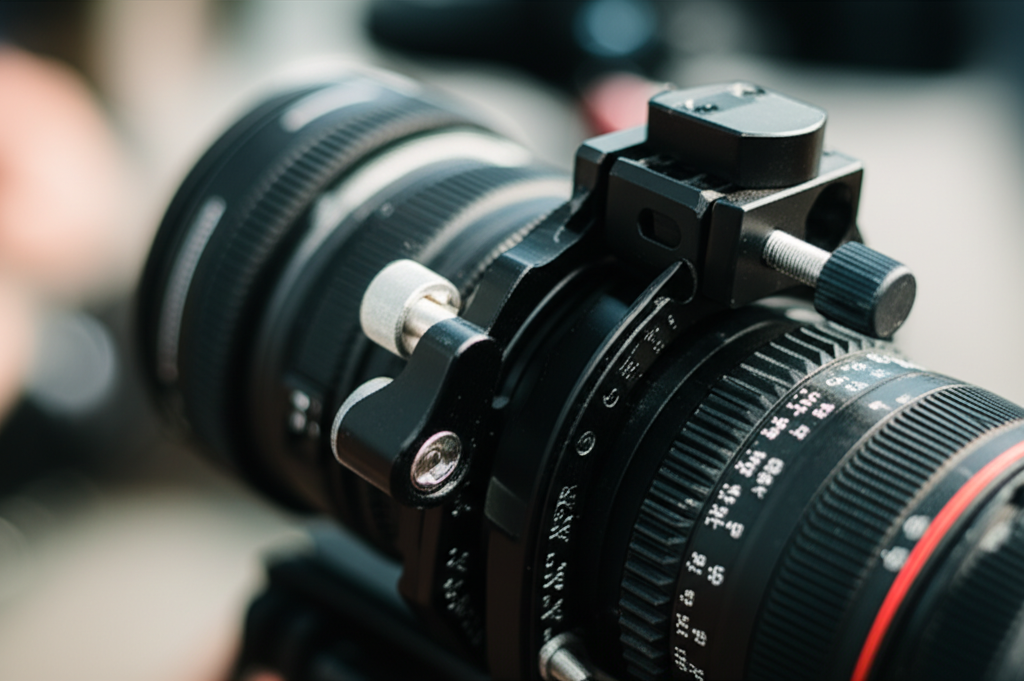
Getting the follow focus to mesh correctly with the lens gear is a delicate balancing act. Even slight misalignments can cause problems.
Incorrect Angular Alignment
The drive gear needs to align with the lens gear at the correct angle. If the follow focus unit is mounted too high, too low, or at an odd angle relative to the lens, the gears won’t engage properly along their entire surface, leading to inconsistent meshing and slippage.
- Symptoms: The follow focus drive gear only makes contact with a portion of the lens gear’s teeth, or the contact point feels uneven.
- Solution: Carefully adjust the position of the follow focus unit on the rods and the angle of its mounting arm. The goal is for the drive gear to sit flush against the lens gear, engaging as many teeth as possible evenly.
Improper Tension Settings
Many follow focus units have a tension adjustment for the handwheel. Setting this too loose means the drive gear might not have enough force to grip the lens gear firmly. Setting it too tight can cause premature wear on the gears or make focusing jerky.
- Symptoms: The handwheel feels very light and offers little resistance, and the focus can slip easily.
- Solution: Adjust the handwheel tension. Start with moderate tension and gradually increase it until you feel a solid grip without making the focus adjustment difficult or causing the gears to bind. The ideal setting often provides a smooth, buttery feel with positive engagement.
Troubleshooting Steps: A Practical Guide
When you encounter a slipping follow focus, don’t panic. Follow these systematic steps to pinpoint and resolve the issue.
Step 1: Assess the Mount
Start by checking the foundation – how the follow focus is attached to your rig.
- Check Rod Clamps: Ensure all screws on the follow focus’s rod clamps are fully tightened. Move the entire unit by hand to confirm it doesn’t slide on the rods.
- Verify Arm Stability: If your unit has an adjustable arm for positioning the drive gear, make sure it’s locked in place and offers no wobble.
Step 2: Inspect the Gears
Next, examine the meshing components themselves.
- Visual Inspection: Look closely at the teeth on both the follow focus drive gear and the lens gear/gear ring. Check for any missing, chipped, or deformed teeth.
- Cleanliness Check: Gently clean both gears using a soft brush and compressed air. Remove any dust, dirt, or lubricant residue.
Step 3: Test Engagement and Alignment
Now, see how well the gears are connecting.
- Manual Meshing: With the follow focus mounted, hold the lens steady and gently turn the follow focus handwheel. Feel for smooth engagement. Does it feel consistent, or does it skip and grind?
- Alignment Adjustment: Loosen the rod clamps slightly and adjust the follow focus unit’s position horizontally and vertically on the rods. Also, fine-tune the angle of the drive gear arm. The goal is to achieve the most even and complete contact between the drive gear and the lens gear.
Step 4: Fine-Tune Settings
Make small adjustments to optimize performance.
- Handwheel Tension: If your unit has it, adjust the handwheel tension. Aim for a balance between a firm grip and smooth operation.
- Backlash Adjustment (if applicable): Some high-end follow focus systems have a backlash adjustment. This can help compensate for minor imperfections in gear meshing for smoother results.
Step 5: Test with Different Lenses/Gear Rings
If the problem persists, isolate whether it’s the follow focus or the lens.
- Try Another Lens: Mount a different lens that you know works with your follow focus. If it works fine, the issue is likely with your original lens or its gear ring.
- Use a Different Gear Ring: If you’re using an aftermarket gear ring, try a different one. Ensure it’s the correct size and pitch for your lens and follow focus.
Pro Tip: Keep a Gear Maintenance Log
For professional setups with multiple lenses and follow focus units, consider keeping a simple logbook. Note down which gear rings work best with which lenses and follow focus units, any calibration notes, and when you last cleaned or serviced specific components. This can save you a lot of troubleshooting time in the future.
Comparing Follow Focus Features Related to Gear Slippage
Different follow focus systems offer varying levels of robustness and features that can impact gear slippage. Here’s a quick comparison of common types and their potential strengths and weaknesses regarding gear engagement:
| Type of Follow Focus | Typical Drive Gear Material | Mounting System Robustness | Ease of Gear Adjustment | Common Issues Affecting Gear Grip |
|---|---|---|---|---|
| Entry-Level / Budget Often plastic construction, fewer adjustments. |
Plastic | Basic clamps, can be less stable. | Limited or no fine adjustment. | Loose clamps, worn plastic gears, poor alignment tolerance. |
| Mid-Range / Enthusiast Metal components, more adjustment options. |
Metal (e.g., Aluminum) or Durable Plastic | Improved rod clamps, sometimes with locking mechanisms. | Adjustable gear arm, often basic tension control. | Debris, worn teeth, slightly off-axis mounting. |
| Professional / Cinema Grade High-quality metal, precision engineering, advanced features. |
Hardened Steel or High-Grade Aluminum | Robust, secure rod locking systems, precise positioning. | Fine-tune gear placement, backlash adjustment, variable tension. | Rarely gear-related; usually user error or extreme wear. |
As you can see, the quality of the materials and the precision of the adjustments play a significant role in preventing your follow focus from slipping. Investing in a more robust system can often save you headaches in the long run.
Frequently Asked Questions (FAQ)
Q1: Why does my follow focus slip even when it feels tight?
Even if the mounting clamps feel tight, the follow focus unit could be subtly shifting due to a slightly loose rod clamp screw, or the drive gear might not be perfectly aligned with the lens gear. Also, check for any debris caught between the teeth, which can prevent full engagement.
Q2: Can I use a rubber band to fix a slipping gear?
While a rubber band might offer a temporary, very crude grip in a pinch, it’s not a reliable or professional solution. It will likely slip easily, provide inconsistent focus, and can leave residue. It’s best to use proper gear rings and ensure your follow focus is properly mounted and aligned.
Q3: My lens doesn’t have a gear. What’s the best way to add one?
You’ll need an aftermarket lens gear ring. These are flexible bands with gear teeth that wrap around your lens’s focus ring. Ensure you buy one with the correct diameter for your lens and that its gear pitch (usually 0.8mm module) matches your follow focus drive gear. Some systems are adjustable for a snug fit.
Q4: How often should I clean my follow focus gears?
For regular use, cleaning your gears every few shoots or whenever you notice a change in performance is a good practice. If you’re shooting in dusty or dirty environments, clean them more frequently. Keeping them clean is key to smooth operation and preventing premature wear.
Q5: What is “backlash” in a follow focus system?
Backlash is the small amount of free play or looseness between the meshing teeth of gears. In follow focus systems, some backlash is normal. However, excessive backlash can make precise focusing difficult and feel like slippage. Professional follow focus units sometimes have adjustments to minimize backlash for sharper focus control.
Q6: My follow focus keeps slipping on a specific lens. What could be the problem?
This often points to an issue with the lens itself or the gear ring attached to it. The lens’s focus ring might be loose internally, or the aftermarket gear ring might be worn, damaged, or not fitting tightly enough around the lens. Try a different gear ring or consider if the lens is suitable for precise manual focus work.
Conclusion
Experiencing a follow focus slipping off the lens gear can be a real headache, but as we’ve explored, it’s usually a solvable problem. By systematically checking your mounting system, the condition and cleanliness of your gears, and the alignment between them, you can almost always get your follow focus working smoothly again. Remember that proper maintenance, using compatible accessories, and a bit of careful adjustment are your best allies in achieving those perfect, unhindered focus pulls. Don’t let a slippery situation derail your creative vision; apply these tips, and get back to capturing stunning footage with confidence.
