

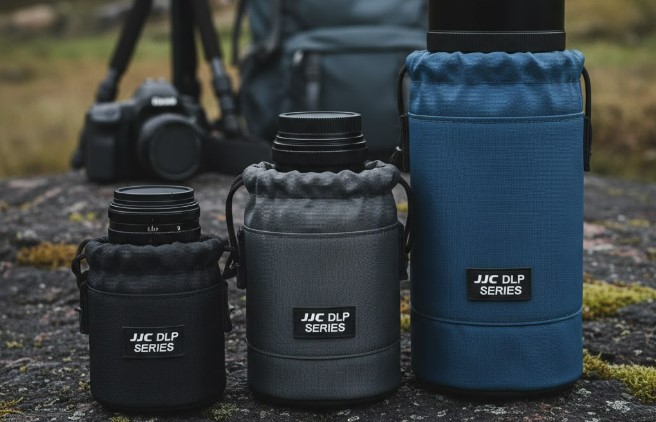
JJC DLP Series Polyester Lens Pouches offer robust, lightweight protection for your camera lenses. These durable pouches shield your valuable gear from dust, scratches, and minor impacts, ensuring they stay safe during transport and storage, making them an essential accessory for any photographer.
Key Takeaways
- Shield your camera lenses effectively with JJC DLP pouches.
- Prevent scratches and dust damage to your valuable gear.
- Enjoy lightweight and portable lens protection.
- Choose from various sizes for different lens types.
- Ensure lens safety during travel and storage.
- Invest in affordable, reliable camera accessory protection.
Introduction
As a photographer, you know how crucial it is to protect your gear, especially your lenses. They are the eyes of your camera, capturing the world as you see it. But transporting and storing them can feel like a gamble. Are they safe from bumps, scratches, or dust? This is where specialized protection comes in. You might have heard about various camera bags and cases, but sometimes, a simpler, more adaptable solution is best. The JJC DLP Series Polyester Lens Pouches offer just that: straightforward, reliable, and affordable protection for your precious lenses. This guide will walk you through why these pouches are an excellent choice and how they can keep your lenses safe, so you can focus on what you do best – taking great photos.
Why Lens Protection Matters
Your camera lenses are among the most delicate and expensive components of your photography setup. They are engineered with precision optics that are sensitive to physical damage. Even a small scratch on a lens element can significantly impact image quality, leading to blurry images, unwanted flares, or reduced contrast. Beyond visual imperfections, lenses are also susceptible to dust and moisture, which can infiltrate the internal mechanisms and coatings, causing long-term issues.
The exterior of a lens is also prone to scuffs and dings. While camera bodies might be more robust, lens barrels and hoods can easily get scratched when packed carelessly in a bag or bumped against surfaces during a shoot. This not only affects the aesthetic appeal of your equipment but can also indicate potential internal damage.
According to a study by Statista, the global camera market, while evolving, still represents a significant investment for enthusiasts and professionals alike. Protecting this investment is paramount economically and functionally.
Introducing the JJC DLP Series Polyester Lens Pouches
JJC is a well-known brand in the photography accessory market, offering a range of practical and affordable solutions. The DLP Series Polyester Lens Pouches are designed with the everyday photographer in mind. They provide a straightforward, effective way to safeguard individual lenses.
These pouches are constructed from durable polyester fabric, a material chosen for its resilience. Polyester is known for its strength, resistance to stretching and shrinking, and its ability to withstand abrasion. This makes it an ideal material for protecting lenses that might be jostled around during travel or storage.
Features and Benefits of JJC DLP Series Pouches
The JJC DLP Series Polyester Lens Pouches pack a surprising number of useful features into a simple design. Let’s break down what makes them a great choice:
Durable Polyester Construction
The core benefit comes from the material itself. The robust polyester exterior resists tears and abrasions, offering a physical barrier against common hazards. Unlike softer fabrics, it provides a more substantial layer of defense.
Padded Protection
Inside, these pouches often feature a soft lining or gentle padding. This cushioning helps to absorb minor shocks and prevent scratches on the lens surface and barrel. It’s like giving your lens a soft, protective hug.
Lightweight and Compact
One of the significant advantages is their minimal bulk. These pouches add very little weight or size to your gear, making them easy to pack inside larger camera bags or even carry independently. This portability is key for photographers on the go.
Drawstring Closure System
Most DLP series pouches utilize a simple yet effective drawstring closure. This allows for quick access to your lens when needed and a secure seal when it’s time to pack it away. The drawstring also helps to keep dust and debris out.
Various Sizes for Different Lenses
JJC understands that not all lenses are created equal. The DLP Series comes in a range of sizes, from small pouches suitable for prime lenses or compact zoom lenses to larger ones for telephoto lenses. This ensures a snug fit, which is crucial for optimal protection – no excessivewobbling inside the pouch.
Water Resistance
While not completely waterproof, the polyester material offers a degree of water resistance. This can protect your lens from light rain or splashes, giving you peace of mind in unpredictable weather conditions. For more severe weather, however, additional protection like a rain cover would be recommended.
Affordability
Compared to specialized hard cases or elaborate camera bags, JJC DLP Series pouches are remarkably affordable. This makes them an accessible option for photographers of all levels, allowing them to protect multiple lenses without breaking the bank.
Sizing Your JJC DLP Lens Pouch
Choosing the right size is essential for effective protection. A pouch that is too small might not close properly or could put pressure on the lens. Conversely, a pouch that is too large will allow the lens to move around, increasing the risk of impact damage.
Here’s a general guide to help you select the appropriate size. It’s always best to measure your lens (including any attached lens hood, if you plan to store it that way) and compare it to the internal dimensions provided by the manufacturer.
| Pouch Size (Approximate Internal Dimensions) | Typical Lens Fit | Example Lenses |
|---|---|---|
| Small (e.g., 90mm x 150mm / 3.5″ x 5.9″) | Compact prime lenses, small zoom lenses | 50mm f/1.8, 35mm f/1.8, 18-55mm kit lens (without hood) |
| Medium (e.g., 100mm x 180mm / 3.9″ x 7.1″) | Standard zoom lenses, slightly larger primes | 24-70mm f/2.8, 85mm f/1.8, 100mm macro lens |
| Large (e.g., 110mm x 220mm / 4.3″ x 8.7″) | Telephoto zoom lenses, larger portrait lenses | 70-200mm f/2.8 (without hood or reversed), 135mm f/1.8 |
| Extra Large (e.g., 120mm x 280mm / 4.7″ x 11″) | Long telephoto lenses, larger professional zooms | 70-200mm f/2.8 (with hood reversed), 100-400mm (compact models) |
Note: These are approximate dimensions. Always check specific product listings for exact measurements. Storing a lens with its hood reversed will significantly reduce the required pouch size.
How to Use JJC DLP Series Pouches Effectively
Using these pouches is straightforward, but a few best practices can maximize their protective capabilities:
- Measure Your Lens: Before purchasing, accurately measure your lens’s diameter and length. Include any attached accessories like filters or lens hoods if you intend to store them together.
- Select the Correct Size: Based on your measurements, choose a JJC DLP pouch that offers a snug but not overly tight fit. A little extra room is fine, but the lens shouldn’t rattle excessively.
- Insert the Lens Properly: Gently slide the lens into the pouch. If storing with the lens cap on, ensure it’s secure. If you plan to store the lens with its hood reversed, do this before placing it in the pouch.
- Secure the Drawstring: Pull the drawstring tightly to close the pouch. Ensure the knot or closure mechanism is secure to prevent accidental opening during transit.
- Strategic Packing: Place the protected lens within your camera bag. For maximum protection, position it in the center of your bag, surrounded by softer items like clothing or extra padding, rather than at the edges where it’s more vulnerable to impacts.
- Regular Inspection: Periodically check the pouch for any signs of wear and tear, such as rips or seam separation. Inspect your lens after removing it from the pouch to ensure no dust or debris has entered.
Comparing JJC DLP Pouches to Other Lens Protection Options
While JJC DLP Series pouches are excellent for many situations, it’s helpful to understand where they fit within the broader landscape of lens protection.
| Protection Type | Pros | Cons | Best For |
|---|---|---|---|
| JJC DLP Polyester Pouches | Lightweight, affordable, flexible, compact, varying sizes. | Minimal impact protection, limited water/dust sealing compared to hard cases. | Everyday transport, storage, travel where major impacts are unlikely. |
| Camera Backpacks with Padded Inserts | Organized storage for multiple lenses and camera bodies, good overall protection. | Can be bulky, less flexible for individual lens transport. | Carrying a full kit, professional shoots, extensive travel. |
| Hard Cases (e.g., Pelican, SKB) | Maximum protection against impact, water, and dust; ideal for harsh environments. | Heavy, bulky, expensive, less convenient for quick access. | Shipping equipment, extreme weather conditions, air travel cargo. |
| Neoprene Sleeves | Soft, stretchy, good for preventing minor scratches, can be worn around the neck. | Less durable than polyester, offers minimal impact protection. | Quick access during a shoot, light protection for lenses you frequently swap. |
Pro Tips for Maximizing Lens Care
Beyond using a lens pouch, here are some additional tips to keep your lenses in pristine condition:
- Clean Lenses Regularly: Use a microfiber cloth and appropriate lens cleaning solution. Avoid paper towels or rough fabrics, which can scratch the lens. Consult manufacturer guidelines for best cleaning practices, akin to recommendations from organizations like the Canon or Nikon support pages.
- Use Lens Caps Religiously: Always attach the front and rear lens caps when not actively shooting, even if the lens is temporarily placed down.
- Consider a UV Filter: A good quality UV or clear protective filter can act as an sacrificial layer, taking the brunt of minor impacts or scratches instead of your expensive front lens element.
- Store in a Dry Environment: Avoid storing lenses in overly humid conditions, which can promote fungus growth on the internal elements. A dry cabinet or silica gel packs can be beneficial.
- Reverse Lens Hoods: For storage and transport, reversing your lens hood can significantly reduce the overall length of the lens, allowing it to fit into smaller pouches or bags.
When Are JJC DLP Series Pouches the Best Choice?
These pouches shine in several scenarios:
- Everyday Photography: When you’re out for a casual shoot or walking around town, and you need a reliable way to store a lens you’re not currently using.
- Travel Photography (with caution): For travel where your gear is generally within your direct care and not subjected to extreme conditions. They are excellent for packing inside a larger camera backpack.
- Budget-Conscious Photographers: When investing in expensive hard cases isn’t feasible, but you still need solid protection.
- Organizing Your Gear: They help keep individual lenses separated and protected within a larger camera bag, preventing them from knocking against each other.
- Protecting Backup Lenses: Ideal for storing spare lenses that aren’t in frequent rotation but still need safeguarding.
It’s important to remember their limitations. While they offer good protection against scratches, dust, and minor bumps, they are not designed to withstand significant crushing forces or prolonged submersion in water. For situations demanding the highest level of protection against extreme conditions, a hard case might be more appropriate, as discussed by experts in photography gear reviews from reputable sources like DPReview.
Frequently Asked Questions (FAQ)
Are JJC DLP Series Pouches waterproof?
No, they are typically water-resistant, not fully waterproof. The polyester material can repel light splashes or brief exposure to moisture, but they are not designed for submersion. Always protect your gear from heavy rain or water exposure.
Can I store a lens with a filter attached?
Yes, you generally can store a lens with a filter attached, provided it doesn’t significantly increase the lens’s diameter beyond the pouch’s capacity. It’s often recommended to store lenses with filters as the filter can offer an extra layer of protection to the front element.
How do I clean a JJC lens pouch?
You can typically clean the pouches by hand with mild soap and water. Gently scrub the exterior and interior with a soft cloth or brush, rinse thoroughly, and allow it to air dry completely before storing your lens in it. Avoid machine washing or harsh detergents.
Will a JJC pouch fit my camera lens?
JJC offers the DLP Series in various sizes. To ensure a proper fit, you should measure your lens’s dimensions (diameter and length, including any attached hood if you plan to store it that way) and compare them against the pouch’s specifications. A snug fit is ideal.
Are these pouches suitable for air travel?
Yes, they are suitable for air travel when packed inside a larger, more protective camera bag or suitcase. They provide individual protection within a larger luggage system. For carrying on your person or as primary protection in checked baggage, a more robust case might be preferable due to potential rough handling.
Can I store my lens with the hood attached?
This depends on the size of the lens and hood combination. Many photographers store their lenses with the hood reversed, as this significantly reduces the overall length and often allows them to fit into standard or medium-sized pouches. Storing with the hood in the normal position usually requires larger, specialized pouches or cases.
Where can I purchase JJC DLP Series pouches?
JJC products are widely available through online retailers such as Amazon, eBay, B&H Photo, Adorama, and other camera equipment websites. You can also find them at select local camera stores.
Conclusion
Protecting your camera lenses is an essential part of being a photographer, ensuring the longevity and performance of your valuable equipment. The JJC DLP Series Polyester Lens Pouches offer a practical, affordable, and effective solution for safeguarding your lenses from everyday hazards like dust, scratches, and minor impacts. Their durable polyester construction, padded interiors, and range of sizes make them a versatile choice for photographers of all levels.
Whether you’re a beginner just starting your photography journey or an experienced enthusiast looking for convenient ways to organize and protect your gear, these pouches provide peace of mind without adding significant bulk or cost. By choosing the right size and packing your lenses wisely, you can significantly extend the life of your lenses and ensure they continue to capture stunning images for years to come. Invest in JJC DLP Series Polyester Lens Pouches – a simple yet vital step in caring for your photographic tools.
