


Think product demos aren’t sales keys? This guide proves why effective product demonstrations are crucial for closing deals, boosting confidence, and winning customers in today’s competitive market. Learn to craft impactful demos that drive sales.
Key Takeaways
- Product demos are vital sales tools.
- They build trust and showcase value.
- Tailor demos to specific customer needs.
- Focus on benefits, not just features.
- Interactive demos boost engagement significantly.
- Follow-up after a demo is essential.
Introduction
Have you ever wondered if a product demonstration is truly worth the effort in a sales process? Many people overlook their power, thinking a good description is enough. But in today’s fast-paced world, seeing is believing. If you’re questioning the impact of product demos on sales, you’re not alone. This guide will show you exactly why effective product demonstrations are essential keys to sales success. We’ll break down how to create and deliver demos that captivate your audience, build trust, and ultimately, drive those crucial sales.
Why Product Demos Are Undeniable Sales Keys
In the realm of sales, you might hear whispers about how product demos are outdated or unnecessary. Some believe detailed brochures, compelling case studies, or eloquent sales pitches are sufficient. However, this perspective often misses the profound impact a well-executed demonstration can have. Product demos are not just about showing off a product; they are about creating an experience, building confidence, and connecting with potential customers on a deeper level. As HubSpot points out, “70% of buyers say they’d rather watch a video than read about a product,” and a live demo is an even more powerful, interactive form of this engagement.
Think about it: when you’re considering a significant purchase, like a new car or a complex piece of software, do you rely solely on brochures? Probably not. You want to see it in action, understand how it works, and imagine yourself using it. This human desire for tangible experience is precisely what makes product demos such powerful sales tools. They bridge the gap between imagination and reality, making your offering tangible and desirable.
Furthermore, a study by Gartner found that “buyers are 2.6 times more likely to share positive customer experience stories than negative ones.” A great product demo creates a positive experience, fostering advocacy and word-of-mouth marketing. It’s a direct way to showcase value, address pain points, and build a compelling narrative around your solution.
The Core Benefits of Product Demos in Sales
Product demonstrations offer a multifaceted approach to sales, providing benefits that extend far beyond a simple product showcase. They act as a bridge, connecting the abstract promises of a sales pitch to the concrete reality of how your product solves a customer’s problem.
Building Trust and Credibility
When you demonstrate a product live, you’re showing transparency. You’re not just telling; you’re showing. This authenticity builds trust. Customers can see the product’s capabilities firsthand, observe its ease of use, and witness its performance in real-time. This direct experience reduces skepticism and fosters confidence in your claims. A study by Nielsen found that “83% of online consumers say they trust recommendations from people they know.” While a demo isn’t a personal recommendation, it creates a similar sense of reliable insight by allowing the customer to “experience” the product’s truth.
Showcasing Value Proposition Clearly
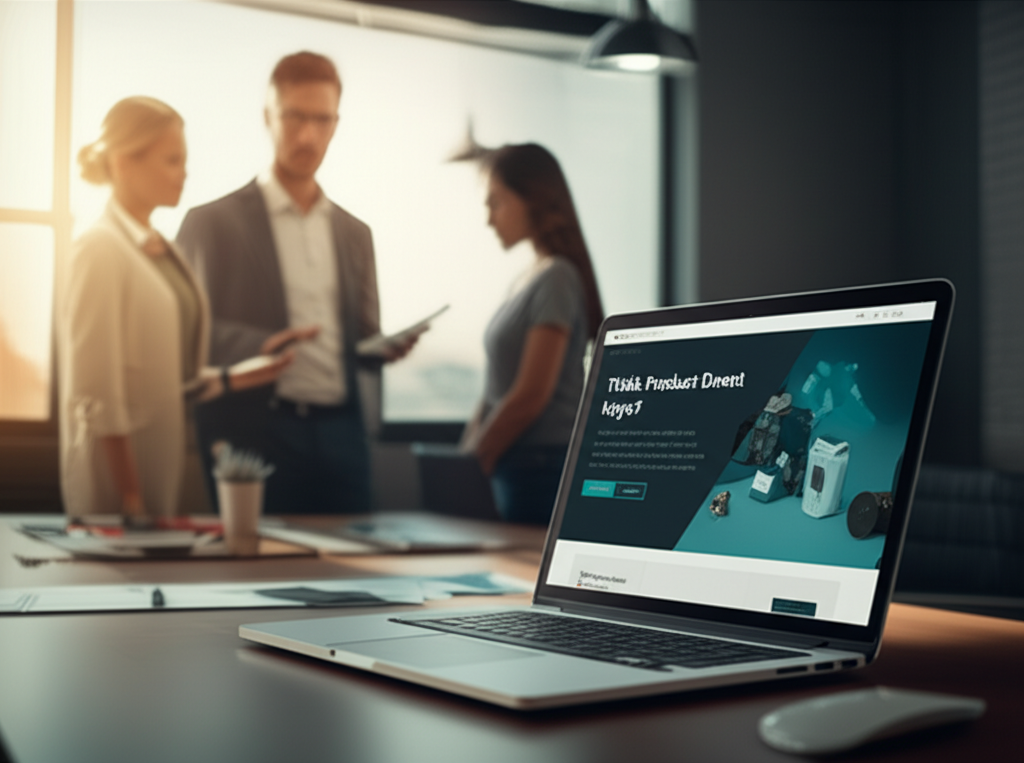
Features are what a product has. Benefits are what a product does for the customer. Demos are exceptionally good at translating features into tangible benefits. You can show how a specific feature saves time, reduces costs, or improves efficiency. This narrative is far more persuasive than simply listing features. For example, instead of saying “Our software has automated reporting,” you can demonstrate how quickly and accurately reports are generated, saving the client hours of manual work. This visual proof of value is a cornerstone of effective selling.
Addressing Customer Pain Points Directly
Every potential customer has specific challenges they are trying to overcome. A well-prepared product demo can be tailored to address these exact pain points. By understanding the prospect’s industry, role, and known issues, you can highlight the parts of your product that offer the most relevant solutions. This personalized approach makes the demonstration feel less like a generic sales pitch and more like a consultative session, showing them you understand their world and have the answer.
Increasing Engagement and Reducing Purchase Anxiety

A passive sales pitch can lead to a disengaged audience. Interactive product demos, where customers can ask questions, provide input, and even try out certain functionalities, dramatically increase engagement. This active participation makes the buyer more invested in the solution. Moreover, seeing the product in action can alleviate purchase anxiety. When customers can visualize themselves using the product successfully and understand its workings, they feel more confident in making a purchase decision.
Gathering Valuable Feedback
During a demo, you get live feedback. You can see what excites prospects, what questions they ask, and what concerns they raise. This information is gold. It helps you refine your sales pitch, improve your product, and understand market needs better. This two-way communication transforms a one-sided sales pitch into a collaborative exploration.
Types of Product Demos and When to Use Them
Not all product demos are created equal, and knowing which type to use for different situations can significantly impact your success. The choice depends on your audience, your product, and your sales stage.
Live, Personalized Demos
These are perhaps the most powerful. You have a sales representative interacting directly with a prospect, showcasing the product in real-time. These demos are highly customizable, allowing the presenter to focus on specific features and benefits relevant to that particular prospect’s needs. This is ideal for complex products or solutions where a deep understanding of client requirements is necessary.
- Best for: B2B sales, high-value products, complex solutions, building rapport.
- Pros: Highly interactive, personalized, allows for immediate Q&A, builds strong relationships.
- Cons: Requires significant time investment from sales team, scheduling can be difficult.
Recorded/Pre-recorded Demos
These are videos of a product demonstration. They can be generic or slightly tailored. They are excellent for providing an overview of the product, educating prospects early in the sales funnel, or for sales teams to send out as follow-up material. While less interactive, they offer consistency and are readily available.
- Best for: Initial prospect education, content marketing, follow-up after a live demo, large audiences, low-touch sales models.
- Pros: Scalable, consistent message, available on-demand, can be used in marketing.
- Cons: Less interactive, no real-time Q&A, can feel impersonal.
Self-Guided/Interactive Demos
These are often found on websites, allowing potential customers to explore the product at their own pace. They might offer simulated environments or limited functionality for users to try out. This is great for SaaS products or applications where users can get a feel for the interface and core features without direct sales involvement.
| Demo Type | Audience Engagement | Customization Level | Sales Stage Suitability |
|---|---|---|---|
| Live, Personalized | High | Very High | Mid to Closing |
| Recorded/Pre-recorded | Medium | Low to Medium | Early to Mid |
| Self-Guided/Interactive | Medium to High | Low | Early to Mid |
Source: Adapted from common sales enablement best practices.
Webinar Demos
Webinars are live or pre-recorded presentations delivered to a larger audience. They offer a good balance between scalability and interaction, as attendees can usually submit questions that are answered by the presenter. This is effective for generating leads and providing a broad overview of a product’s capabilities to many prospects simultaneously.
- Best for: Lead generation, educating many prospects at once, showcasing new features.
- Pros: Scalable, cost-effective, allows for live Q&A from multiple attendees.
- Cons: Less personal than one-on-one, engagement can vary greatly.
Crafting a Killer Product Demo: Step-by-Step
Creating a product demo that converts requires careful planning and execution. It’s not just about showing what your product can do, but about telling a story that resonates with your audience. Here’s a breakdown of how to build a demo that makes a real impact.
Step 1: Understand Your Audience Deeply
Before even thinking about opening your product software, dive into understanding who you are talking to. Who is the potential buyer? What is their role? What are their company’s goals? What are their biggest challenges and pain points? Research their industry, recent news, and any information you can find about their business. This research is the foundation for a relevant and impactful demo.
Example: If you’re demoing project management software to a construction company, their pain points might be project delays, budget overruns, and communication breakdowns between teams on-site and in the office. Your demo should highlight features that directly address these issues.
Step 2: Define Your Demo Objective
What do you want the prospect to do or understand after the demo? Is it to sign up for a trial? To schedule a follow-up technical deep-dive? To approve a budget? Having a clear objective will help you structure the demo and measure its success. A common objective is to move the prospect to the next stage of the sales funnel.
Step 3: Outline Your Demo Flow and Key Talking Points
Structure is crucial. A typical flow includes:
- Introduction & Agenda: Briefly introduce yourself, set expectations, and outline what you’ll cover.
- Discovery Recap: Briefly mention their key challenges you’ll address. This shows you listened.
- Core Product Walkthrough: Demonstrate the most relevant features, focusing on benefits.
- Use Cases & Scenarios: Show how the product solves specific problems they’re facing.
- Q&A: Allow ample time for questions throughout or at the end.
- Next Steps: Clearly define what happens next.
Keep your talking points concise and benefit-oriented. Instead of saying, “This dashboard shows X, Y, Z,” try, “This dashboard gives you instant visibility into project progress, allowing you to proactively identify and resolve bottlenecks before they impact your deadlines.”
Step 4: Prepare Your Demo Environment
Ensure your demo environment is flawless. This means:
- Clean Data: Use realistic, clean, and relevant sample data that aligns with the prospect’s business. Avoid generic “Lorem Ipsum.”
- Stable Internet: Test your connection thoroughly.
- Working Software: Make sure all features you plan to show are working perfectly. Have a backup plan for any critical feature that might have issues.
- Branding: If possible, customize the demo environment with the prospect’s company colors or logo for an extra touch of personalization.
Step 5: Practice, Practice, Practice!
Rehearse your demo multiple times. Practice the flow, your key messages, and transitions. Time yourself to ensure you stay within the allocated slot. Practice answering common objections and questions. The more you practice, the more natural and confident you will appear, which significantly boosts credibility.
Step 6: Deliver the Demo with Confidence and Energy
On the day of the demo:
- Be Punctual: Log in early.
- Build Rapport: Start with some small talk to establish a connection.
- Engage the Audience: Ask questions throughout the demo. “Does this make sense?” “Can you see how this would help your team?”
- Focus on Benefits, Not Just Features: Constantly link what you’re showing back to how it solves their problem or helps them achieve their goals.
- Listen Actively: Pay attention to verbal and non-verbal cues. Adjust your demo based on their reactions and questions.
- Handle Questions Gracefully: If you don’t know an answer, say so and promise to follow up promptly. It’s better than guessing.
Step 7: Follow Up Strategically
The demo is not the end of the sales process; it’s a critical step. Send a thank-you email immediately after the demo. Reiterate the key benefits discussed and address any unanswered questions. Include a clear call to action regarding the agreed-upon next steps. This diligent follow-up reinforces the value of your product and keeps the sales momentum going.
Pro Tip: Record your demos (with permission) so you can review them later to identify areas for improvement and so can the prospect if they need to share with colleagues.
Common Pitfalls to Avoid in Product Demos
Even with the best intentions, product demos can sometimes miss the mark. Recognizing common mistakes can help you steer clear of them and ensure your demonstrations are effective sales tools.
| Pitfall | Why It’s a Problem | How to Avoid It |
|---|---|---|
| Showing Too Much: Overwhelming the audience with every single feature. | Confuses the prospect, dilutes the core message, and can make the product seem overly complex. Customers only care about what’s relevant to them. | Tailor the demo to the prospect’s specific needs. Focus only on features that solve their identified pain points. Follow your pre-defined outline. |
| Not Listening: Talking non-stop without asking questions or paying attention to cues. | Misses opportunities to discover new needs, address concerns, and build rapport. Makes the prospect feel unheard. | Incorporate interactive elements. Ask open-ended questions throughout the demo. Pause and encourage questions. |
| Technical Glitches: Product crashing, internet issues, poor audio/video. | Undermines credibility and professionalism. Distracts from the product’s value. Can lead to frustration. | Thoroughly test all technology beforehand. Have a backup plan (e.g., recorded version, screenshots). Use a stable internet connection. |
| Focusing on Features, Not Benefits: Describing what a feature is rather than what it does for the customer. | Prospects struggle to see how the product will positively impact their business. It sounds like a technical manual. | For every feature shown, explain the corresponding benefit and connect it to a customer pain point or goal. Use phrases like “which means you can…” or “so you’ll be able to…” |
| Lack of Clear Next Steps: Ending the demo without a defined path forward. | Leaves the prospect unsure of what to do next, potentially stalling the sales process. | Clearly outline the agreed-upon next steps before the demo concludes, and follow up with an email confirming these. |
Avoiding these common pitfalls will transform your product demos from mere presentations into powerful closing tools.
Integrating Demos into Your Sales Funnel
Product demos are not just a standalone event; they should be strategically integrated into your overall sales funnel. Their placement and purpose will evolve as the prospect moves closer to a purchase.
Early Stage: Awareness & Interest
At this stage, prospects are just beginning to identify a problem or explore solutions. Product demos here should be more general and educational. A recorded demo or a webinar showing the breadth of your product’s capabilities can be effective. The goal is to spark interest and position your product as a potential solution.
Mid Stage: Consideration & Evaluation
Here, prospects are actively comparing solutions. This is where live, personalized demos shine. You can tailor the demonstration to their specific needs, answer detailed questions, and showcase how your product stands out from competitors. Interactive demos can also be valuable, allowing them to explore independently.
Late Stage: Decision & Closing
As a prospect nears a decision, demos can become highly focused on confirming value and addressing any final hesitations. This might involve demonstrating specific integrations, showing advanced features relevant to their immediate implementation, or even doing a “proof of concept” demonstration tailored to their live data. The goal is to build final confidence and remove any remaining purchase barriers.
The Future of Product Demos
The world of product demonstrations is constantly evolving. As technology advances and customer expectations change, demos are becoming more sophisticated, personalized, and integrated than ever before.
One significant trend is the rise of AI-powered demos. These can provide personalized experiences at scale, adapting content based on user interactions and data. Virtual reality (VR) and augmented reality (AR) are also opening new avenues, allowing for immersive product exploration that was previously impossible outside of a physical showroom. Imagine a prospect virtually walking through a factory floor powered by your software or visualizing how your furniture would look in their real office space.
Furthermore, the line between marketing content and sales demos is blurring. Companies are increasingly using interactive demo platforms on their websites, allowing potential customers to try out a product before ever speaking to a salesperson. This empowers buyers and ensures that when they do connect with sales, they’re already well-informed and highly qualified.
As research from sources like Forrester suggests, buyers are more informed than ever. Product demos are no longer just about showcasing features; they are about creating a compelling experience that educates, engages, and ultimately, convinces.
Frequently Asked Questions (FAQ)
Q1: How long should a product demo be?
The ideal length depends on the product’s complexity and the audience’s needs. For a general overview, 15-30 minutes is often sufficient. For complex enterprise solutions, it might extend to 60 minutes or more, potentially broken into multiple sessions. Always confirm the allotted time with the prospect beforehand.
Q2: What’s the difference between a demo and a trial?
A demo is a guided presentation, usually led by a salesperson, showcasing the product’s capabilities and benefits. A trial allows the user to explore the product independently, often with limited features or a time limit, to see if it fits their needs.
Q3: Can I use the same demo for every prospect?
No, it’s highly recommended to tailor your demo. While you can have a core structure, always customize it to address the specific pain points, industry, and goals of each prospect based on your pre-demo research.
Q4: What if the prospect asks a question I can’t answer?
It’s okay not to know everything. Be honest. Say something like, “That’s a great question, and I want to make sure I give you the most accurate information. I’ll find out and get back to you by [specific time/day].” Then, ensure you follow up promptly.
Q5: How often should I use product demos in my sales process?
Product demos are most impactful during the consideration and decision stages of the sales funnel. They are a crucial tool for demonstrating value and can be used multiple times in different formats (live, recorded) as the prospect progresses.
Q6: What’s the best way to prepare for a live demo?
Thorough preparation involves understanding your audience, outlining your demo flow, customizing your content, practicing extensively, and ensuring your technology is flawless. Test everything beforehand!
Conclusion
The notion that product demos aren’t sales keys is a misconception that can hold back even the most promising sales strategies. In reality, a well-crafted and thoughtfully delivered product demonstration is one of the most potent tools in a salesperson’s arsenal. It moves beyond abstract promises, offering tangible proof of value, building crucial trust, and directly addressing customer needs. By understanding the different types of demos, meticulously planning your presentation, and avoiding common pitfalls, you can transform your demonstrations into powerful conversion engines.
Remember, the goal isn’t just to show features; it’s to tell a compelling story that helps your prospect envision a better future with your product. Embrace the power of seeing, and watch your sales success soar. Product demos are not just a part of the sales process – they are integral to its very foundation.
