


Playing the long game is essential for retailers navigating trade turbulence, and strategically implementing technology offers a powerful way to build resilience and adapt to changing market conditions.
Key Takeaways
- Invest in adaptable retail tech for long-term stability.
- Leverage data analytics to predict and manage trade disruptions.
- Prioritize supply chain visibility with modern technology solutions.
- Embrace omnichannel strategies to reach customers consistently.
- Foster agility through cloud-based and scalable tech systems.
- Focus on customer experience to build loyalty amidst uncertainty.
Introduction
As a retailer, you’ve likely felt the waves of uncertainty brought on by trade turbulence. These shifts can impact everything from product availability to shipping costs, making it tough to plan ahead. But what if there was a way to not just weather these storms, but to come out stronger? Playing the long game in retail means building a business that can adapt and thrive, no matter what happens in the global market. A key part of this strategy is strategically using technology. This guide will show you how retail tech can be your anchor, helping you understand challenges, make smart decisions, and keep your customers happy. Let’s dive into how modern tech solutions can help you navigate these choppy waters and build a more resilient business for the future.
Understanding Trade Turbulence in Retail
Trade turbulence refers to the instability and unpredictability that can arise in international trade. This can be caused by many factors, such as new tariffs, trade wars between countries, political unrest, or even global health crises like pandemics. For retailers, these events can create significant challenges.
What Causes Trade Turbulence?
- Tariffs and Trade Wars: When countries impose taxes (tariffs) on goods imported from other countries, it increases costs for businesses and can lead to retaliatory tariffs, escalating trade disputes. The U.S.-China trade tensions are a prime example of this.
- Geopolitical Instability: Wars, political disagreements, or changes in government policies in key trading nations can disrupt supply chains and create uncertainty about future trade relationships.
- Regulatory Changes: New import/export regulations, compliance standards, or customs procedures can add complexity and cost to international sourcing and selling.
- Economic Fluctuations: Currency exchange rate volatility, inflation, or recessions in major economies can impact the cost of goods and consumer demand.
- Supply Chain Disruptions: Events like natural disasters, port congestion, or labor strikes can halt the movement of goods, delaying deliveries and increasing expenses. The Suez Canal blockage in 2021 is a memorable instance of an unexpected supply chain disruption.
Impact on Retail Businesses
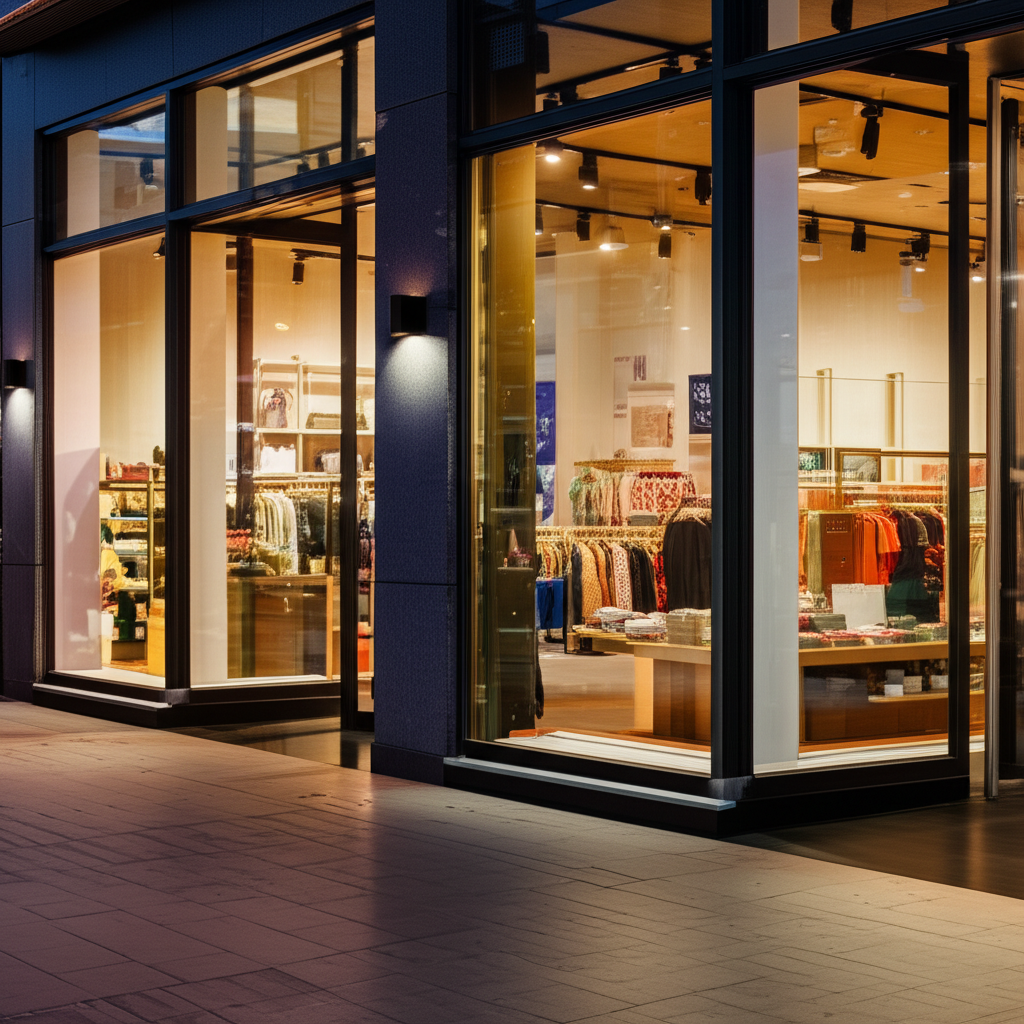
These turbulences directly affect retailers in several ways:
- Increased Costs: Tariffs, shipping surcharges, and currency fluctuations can drive up the cost of goods.
- Supply Chain Delays: Products may arrive later than expected, leading to stockouts and missed sales opportunities.
- Reduced Product Availability: Certain items might become scarce or impossible to source due to trade restrictions or disruptions.
- Customer Dissatisfaction: Late deliveries, higher prices, or unavailable products can frustrate customers and damage brand loyalty.
- Uncertainty in Planning: It becomes difficult to forecast inventory needs, set pricing, and make long-term business decisions.
This is where playing the long game comes in, using technology as a strategic advantage.
The Power of Playing the Long Game with Retail Tech
Playing the long game means making decisions today that will benefit your business tomorrow. In retail, this involves building systems and processes that are resilient and adaptable to change. Technology is the engine that powers this long-term vision, especially when facing trade turbulence.
Why Tech is Crucial for Long-Term Retail Success
- Adaptability: Modern tech solutions are often flexible and can be updated to meet new challenges.
- Efficiency: Automation and smart systems can streamline operations, reducing costs and errors.
- Insight: Data analytics provide valuable information to make informed decisions, even in uncertain times.
- Customer Focus: Technology enhances the customer experience, building loyalty that withstands market shifts.
- Scalability: As your business grows or market conditions change, scalable tech can grow with you.
By investing in the right retail technology, you’re not just solving immediate problems; you’re future-proofing your business. This proactive approach allows you to anticipate issues, respond effectively, and maintain a competitive edge, all while playing the long game.
Leveraging Retail Tech to Navigate Trade Turbulence
To effectively play the long game and navigate trade turbulence, retailers need to strategically implement technology. This isn’t about adopting every new gadget; it’s about using tech to solve specific challenges and build lasting resilience.
1. Enhance Supply Chain Visibility and Agility

A common casualty of trade turbulence is a lack of visibility into the supply chain. When you don’t know where your goods are or what potential delays are looming, it’s hard to react. Technology can shine a spotlight on these blind spots.
Key Technologies to Consider:
- Supply Chain Management (SCM) Software: These platforms provide end-to-end visibility, from raw materials to the final customer. They can track shipments, monitor inventory levels across different locations, and identify potential bottlenecks in real-time.
- Internet of Things (IoT) Devices: Sensors on containers or pallets can provide real-time location data, temperature monitoring, and other condition-based information. This is invaluable for perishable goods or high-value items.
- Blockchain Technology: For enhanced transparency and security, blockchain can create an immutable record of every transaction and movement within the supply chain, making it easier to trace products and verify their origin. Companies like Walmart have explored blockchain for food traceability.
- Artificial Intelligence (AI) and Machine Learning (ML): AI can analyze vast amounts of data to predict potential disruptions, optimize shipping routes, and suggest alternative sourcing options based on real-time market information and historical performance.
How this helps: Knowing exactly where your products are and understanding potential risks allows you to proactively communicate with customers about delays, find alternative shipping methods, or even switch suppliers before a major disruption occurs.
2. Utilize Data Analytics for Informed Decision-Making
In turbulent times, gut feelings aren’t enough. Data provides the clarity needed to make strategic choices. Retail tech can collect and analyze data across your entire business, offering insights that were previously impossible to obtain.
What Data to Analyze and How:
- Sales Data: Track which products are selling well and in which regions. This helps in adjusting inventory orders to avoid overstocking items that might be stuck due to import issues or understocking popular items that become scarce.
- Inventory Data: Understand stock levels across all locations, including warehouses, stores, and in transit. This prevents selling items you can’t deliver.
- Customer Behavior Data: Analyze purchasing patterns, preferences, and feedback. This information can help you pivot to products in higher demand or those less affected by trade issues.
- Market and Economic Data: Integrate external data, such as currency exchange rates, commodity prices, and trade policy changes, into your analysis. This allows for a more holistic view of potential impacts.
Tools for analysis include: Business Intelligence (BI) platforms like Tableau or Microsoft Power BI, and specialized retail analytics software. Many Point of Sale (POS) systems and e-commerce platforms also offer built-in analytics dashboards.
How this helps: By understanding the data, you can make smarter decisions about purchasing, pricing, and marketing. For example, if data shows that certain imported goods are becoming significantly more expensive due to tariffs, you might decide to increase stock of locally sourced alternatives or adjust prices accordingly.
3. Strengthen Inventory Management Systems
Effective inventory management is a cornerstone of playing the long game, especially when supply chains are unpredictable. Technology can automate and optimize this critical function.
Essential Inventory Tech:
- Warehouse Management Systems (WMS): A WMS helps manage all aspects of warehouse operations, from receiving and put-away to picking, packing, and shipping. It ensures accurate inventory counts and efficient use of space.
- Inventory Optimization Software: These tools use algorithms to forecast demand, set reorder points, and determine optimal inventory levels to minimize holding costs while avoiding stockouts. They can also factor in lead times and potential delays.
- Automated Stocktaking: Technologies like RFID (Radio-Frequency Identification) tags and barcode scanners can significantly speed up and improve the accuracy of inventory counts, reducing manual errors.
Pro Tip: Regularly audit your inventory management processes. Even the best technology needs human oversight to ensure accuracy and efficiency. Implement cycle counting to catch discrepancies early.
How this helps: Accurate, optimized inventory means you can fulfill orders reliably, reduce the risk of holding excess stock that becomes obsolete or costly to store, and have a clearer picture of what you can offer customers, even if some product lines are temporarily unavailable.
4. Embrace Omnichannel Strategies for Customer Reach
Trade turbulence can create a fragmented customer experience if not managed carefully. An omnichannel approach ensures that customers can interact with your brand seamlessly across all channels, regardless of external disruptions.
Key Omnichannel Components:
- Unified Commerce Platform: This integrates all sales channels (online, in-store, mobile app, social media) into a single system. It provides a consistent view of inventory, pricing, promotions, and customer data.
- Click-and-Collect / BOPIS (Buy Online, Pick Up In Store): Offering customers the option to buy online and pick up in a physical store is a great way to bypass shipping delays and costs associated with long-distance transport.
- Ship-from-Store Capabilities: Empowering your physical stores to act as mini-distribution centers can help fulfill online orders faster and more efficiently, especially when main warehouses face delays.
- Personalized Customer Service: Using CRM (Customer Relationship Management) software to track customer interactions across all touchpoints allows you to provide consistent, informed support, even when discussing product availability issues.
How this helps: By providing multiple, consistent ways for customers to shop and receive goods, you reduce their reliance on any single channel that might be affected by trade issues. This builds trust and loyalty, as customers know they can rely on your brand.
5. Foster Agility with Cloud-Based and Scalable Tech
The retail landscape is constantly shifting, and your technology needs to be able to shift with it. Cloud-based solutions offer the flexibility and scalability required to adapt quickly.
Benefits of Cloud Technology:
- Scalability: Cloud platforms can easily scale up or down to meet demand. If you need more processing power for a holiday rush or to handle new supplier data, the cloud can accommodate it without major hardware investments.
- Flexibility: Access your systems from anywhere, allowing remote work and faster decision-making. This is crucial for managing global supply chains.
- Cost-Effectiveness: Cloud solutions often follow a subscription model (SaaS – Software as a Service), which can be more predictable and cost-effective than large upfront investments in on-premises hardware and software.
- Automatic Updates: Cloud providers manage software updates and maintenance, ensuring you always have the latest features and security patches without manual intervention.
Examples of Cloud-Based Retail Tech: E-commerce platforms (Shopify, BigCommerce), CRM systems (Salesforce, HubSpot), Cloud ERP (Enterprise Resource Planning) solutions, and cloud-hosted SCM software.
How this helps: When trade policies change or disruptions occur, a scalable, cloud-based infrastructure allows you to quickly implement new strategies, reconfigure systems, or onboard new suppliers without being held back by rigid, on-premises technology.
6. Prioritize Customer Experience and Communication
Even with the best technology, if your customers aren’t happy, your long-term strategy will suffer. Technology can be used to enhance and communicate the customer experience, especially during times of disruption.
Tech for Enhanced Customer Experience:
- Real-time Order Tracking: Provide customers with up-to-the-minute information on their order status and estimated delivery times, especially if there are known delays.
- Proactive Communication Tools: Use email, SMS, or in-app notifications to inform customers about potential delays before they even notice. Honesty builds trust.
- AI-Powered Chatbots: Offer instant support for common queries about order status, stock availability, or shipping times, freeing up human agents for more complex issues.
- Personalization Engines: Use AI to recommend alternative products that are readily available and fit customer preferences, turning a potential negative into a positive discovery.
How this helps: By keeping customers informed and providing excellent, consistent service, you can mitigate frustration caused by external trade issues. A positive experience, even with a slight delay, is far better than a surprise problem and poor communication.
Case Studies: Retailers Playing the Long Game
Learning from others can provide valuable insights. Here are a couple of hypothetical examples of how retailers might use technology to navigate trade turbulence:
| Retailer Type | Challenge | Implemented Tech Solutions | Long-Term Benefit |
|---|---|---|---|
| Fashion E-commerce Brand (Sourcing from Asia) | New tariffs on imported apparel increase costs and cause delivery delays. |
|
Reduced reliance on single supplier, improved inventory accuracy, maintained delivery promises to customers, and could quickly pivot to new suppliers when major disruptions occurred. |
| Specialty Food Retailer (Importing European Goods) | Geopolitical events disrupt shipping routes, leading to unpredictable delivery schedules for key ingredients. |
|
Maintained product quality and safety, built trust with consumers seeking transparent sourcing, and successfully managed stock levels by offering diverse product options, thereby reducing vulnerability to any single supply chain disruption. |
These examples highlight how a proactive, tech-driven approach can transform potential crises into opportunities for innovation and resilience.
Choosing the Right Retail Tech for Your Business
Selecting the right technology is a crucial step in playing the long game. It’s not about having the most advanced tools, but the most appropriate ones for your specific business needs and challenges.
Steps to Selecting and Implementing Tech:
- Assess Your Needs: Identify your biggest pain points related to trade turbulence. Are you struggling with inventory accuracy, supply chain visibility, customer communication, or something else?
- Research Solutions: Look for technologies that directly address your identified needs. Read reviews, case studies (like the ones above), and talk to vendors.
- Prioritize Integration: Ensure new technologies can integrate with your existing systems (POS, ERP, e-commerce platform). Poor integration leads to data silos and inefficiency.
- Consider Scalability and Flexibility: Choose solutions that can grow with your business and adapt to changing market conditions. Cloud-based solutions are often ideal here.
- Evaluate ROI (Return on Investment): Understand the costs involved (setup, subscription, training) and project the potential benefits (cost savings, increased sales, improved efficiency).
- Phased Implementation: Don’t try to implement everything at once. Start with a pilot program for one technology or one part of your business to test its effectiveness before a full rollout.
- Train Your Team: Ensure your staff is well-trained on how to use the new technology. Their adoption is key to success.
Key Technologies to Consider for Different Retail Segments:
| Retail Segment | Primary Needs During Trade Turbulence | Recommended Tech Focus |
|---|---|---|
| E-commerce (Global Sourcing) | Supply chain tracking, inventory management, international logistics optimization. | Advanced SCM software, real-time analytics, blockchain for provenance. |
| Brick-and-Mortar (Local/Regional Focus) | Inventory accuracy, local sourcing alternatives, customer experience in-store. | POS systems with robust inventory features, CRM for customer insights, BOPIS/Ship-from-Store tech. |
| DTC (Direct-to-Consumer) Brands | Agile fulfillment, customer communication, demand forecasting. | Cloud-based e-commerce platforms, unified commerce systems, AI for personalization and forecasting. |
| Apparel & Fashion | Fast-changing inventory, trend analysis, managing seasonal stock, global sourcing. | Demand forecasting tools, WMS for efficient stock movement, integrated e-commerce and retail analytics. |
By taking a methodical approach, you can invest in technology that truly supports your long-term strategy against trade turbulence.
Future-Proofing Your Retail Business
Playing the long game in retail is about building a business that can withstand the inevitable ups and downs of the global marketplace. Trade turbulence is just one of many challenges retailers will face, but by embracing technology strategically, you can significantly enhance your business’s resilience and adaptability.
The key lies in moving beyond reactive problem-solving and adopting a proactive, data-driven approach. Investing in technologies that provide visibility, agility, and customer-centricity will not only help you navigate current disruptions but also position your business for sustainable growth in the long run. Remember, technology is an enabler; it’s how you use it to build smarter, more flexible, and more customer-focused operations that truly makes the difference.
FAQ
Q1: What does “playing the long game” mean in retail?
A1: It means making strategic decisions today that focus on the future health and sustainability of your business, rather than just short-term gains. This includes building resilience and adaptability.
Q2: How can technology help retailers deal with unpredictable shipping costs?
A2: Technology like real-time analytics and SCM software can help retailers track global shipping rates, predict future costs, and identify more cost-effective routes or carriers, allowing for better budgeting and planning.
Q3: Is investing in retail tech expensive?
A3: It can be, but many cloud-based solutions offer flexible subscription models that are more affordable upfront and scale with your business. Focusing on technologies that provide a clear ROI (Return on Investment) is key.
Q4: What is “supply chain visibility”?
A4: It means having clear insight into every stage of your supply chain, from where your materials come from, to where your products are in transit, and when they are expected to arrive.
Q5: Can small retailers benefit from retail tech, or is it only for big corporations?
A5: Absolutely! Many affordable, cloud-based retail tech solutions are designed specifically for small and medium-sized businesses, offering powerful tools for inventory management, customer engagement, and sales analysis.
Q6: How important is customer communication during trade turbulence?
A6: It’s extremely important. Proactive and honest communication about potential delays or changes in product availability can manage customer expectations, build trust, and prevent frustration, even when issues arise.
Q7: What’s the benefit of using an omnichannel approach during trade disruptions?
A7: An omnichannel approach offers customers multiple convenient ways to shop and receive goods, making them less reliant on single channels that might be affected by trade issues. This provides flexibility and a consistent brand experience.
Conclusion
Navigating trade turbulence is a significant challenge for retailers today. However, by adopting a mindset of “playing the long game” and strategically integrating retail technology, you can transform potential disruptions into opportunities for growth and resilience. Technologies that enhance supply chain visibility, provide data-driven insights, optimize inventory, support omnichannel strategies, and foster agility are your most powerful allies. By investing wisely in these solutions and prioritizing clear customer communication, you’re not just surviving market volatility; you’re building a robust, adaptable retail business ready for whatever the future holds.
