

Choosing the right sim racing seat cockpit can transform your virtual driving experience from casual fun to professional-grade immersion. Whether you’re a weekend enthusiast or aiming for esports competition, the right setup boosts comfort, precision, and long-term enjoyment. This guide covers the best options, key features, and expert tips to help you pick the perfect rig for your needs.
If you’ve ever sat in a sim racing seat cockpit for the first time, you know the difference it makes. It’s not just about looking cool—though let’s be honest, they do. It’s about feeling like you’re actually inside the car. The wheel responds instantly, the pedals bite with precision, and your body is locked in place, ready to tackle every corner with confidence. That’s the magic of a well-designed sim racing cockpit.
For PC gamers diving into titles like iRacing, Assetto Corsa Competizione, or Gran Turismo 7 (via remote play), the right setup can mean the difference between frustration and flow. A flimsy wheel stand might work for a weekend, but once you start chasing lap times or competing in leagues, you need something solid. That’s where sim racing seats cockpits come in—they’re the foundation of a serious sim rig.
But with so many options on the market, how do you choose? From budget-friendly frames to pro-level modular systems, the choices can feel overwhelming. This guide breaks down everything you need to know about the best sim racing seats cockpits in 2024. We’ll cover what to look for, top models across price ranges, and practical tips to help you build or buy the perfect rig for your space, skill level, and goals.
Key Takeaways
- Stability is everything: A rigid, well-built cockpit minimizes flex and maximizes force feedback accuracy, especially with high-end wheels and pedals.
- Ergonomics matter for long sessions: Adjustable seating, pedal distance, and wheel height reduce fatigue and improve driving posture over hours of racing.
- Compatibility is crucial: Ensure your cockpit supports your specific wheel base, pedal set, and PC setup—check mounting specs before buying.
- Modular designs offer future-proofing: Look for cockpits that allow upgrades like motion platforms, handbrakes, or additional monitors.
- Space and budget dictate choices: Measure your room and set a realistic budget—premium doesn’t always mean better for your use case.
- DIY vs. pre-built: Pre-assembled cockpits save time and ensure compatibility, while DIY kits offer customization at the cost of complexity.
- Realism enhances performance: A proper seating position mimics real cars, improving muscle memory, reaction times, and overall lap consistency.
📑 Table of Contents
What Is a Sim Racing Seat Cockpit?
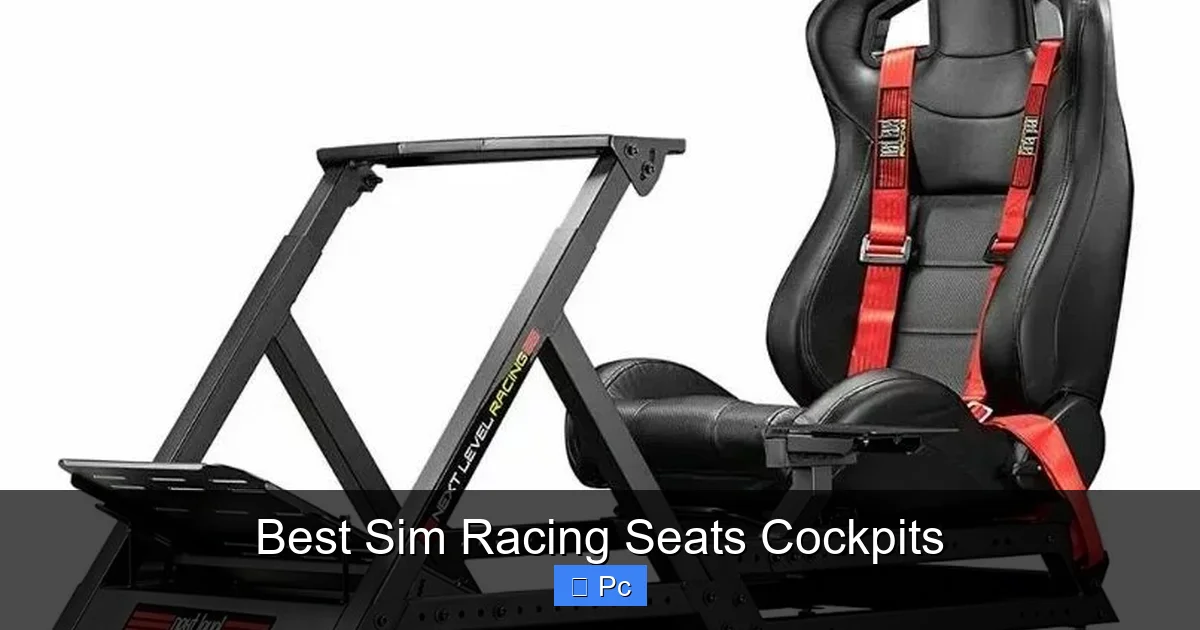
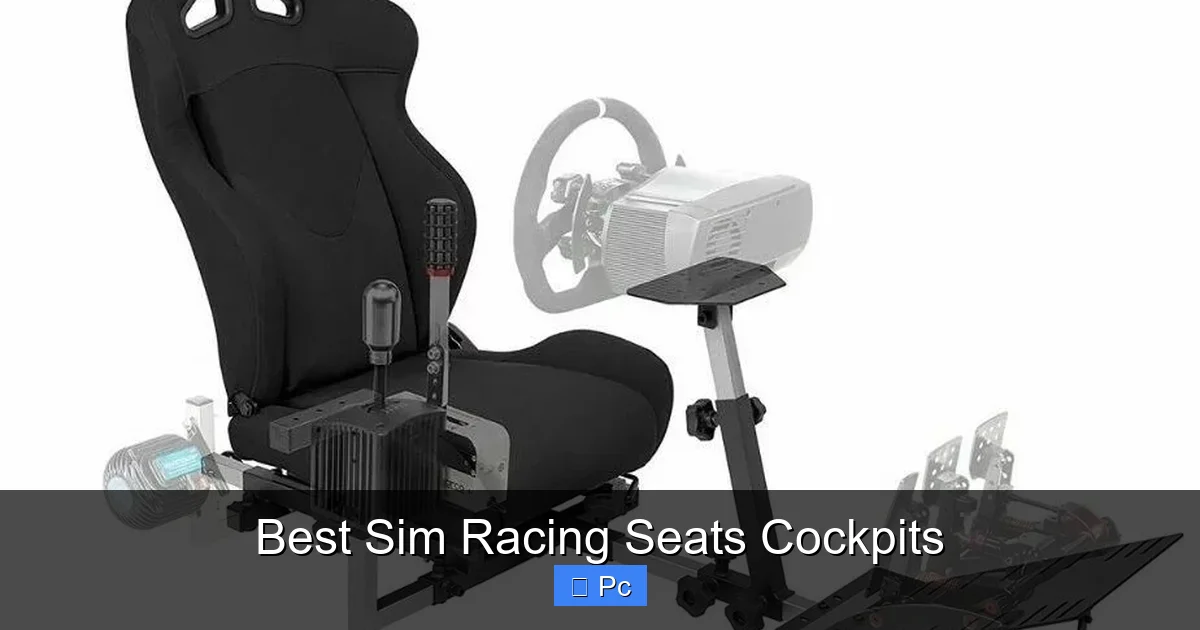
A sim racing seat cockpit is a complete driving simulator frame that integrates a seat, wheel mount, pedal tray, and often a shifter or handbrake mount into a single, stable structure. Unlike basic wheel stands that clamp to a desk, cockpits are freestanding units designed to mimic the layout of a real race car cockpit.
These rigs are built for immersion. They position your body in a natural driving posture—legs slightly bent, arms relaxed, spine supported—so you can drive for hours without discomfort. More importantly, they provide a rigid platform for your wheel and pedals. When you’re pulling 1G in a corner and your wheel base is fighting back with force feedback, any flex in the frame translates to lag and imprecision. A solid cockpit eliminates that, giving you true-to-life feedback.
Most modern cockpits are made from steel or aluminum, with powder-coated finishes for durability. They’re designed to be modular, meaning you can often add accessories like monitor mounts, motion actuators, or even a second seat for co-op racing. Some even support triple-monitor setups or VR integration.
Why Upgrade from a Wheel Stand?
If you’re still using a wheel stand clamped to your desk, you’re missing out on a huge part of the sim racing experience. Wheel stands are great for casual play, but they have serious limitations. They rely on your desk for stability, which means any force feedback can cause the whole setup to wobble. Over time, this leads to fatigue, reduced accuracy, and even damage to your desk or equipment.
A cockpit, on the other hand, is a self-contained unit. It doesn’t depend on external furniture, so it can handle high-torque wheel bases like the Logitech G Pro, Thrustmaster T-GT II, or Fanatec Podium series without flexing. This stability is essential for advanced techniques like trail braking, heel-toe shifting, and precise throttle control.
Plus, cockpits offer better ergonomics. You’re not hunched over a desk or straining to reach pedals. Instead, you’re seated in a proper racing position, which reduces strain on your back, neck, and shoulders. This is especially important during long endurance races or practice sessions.
Key Components of a Sim Racing Cockpit
Every good sim racing seat cockpit includes several core components:
– Frame: The backbone of the rig, usually made of steel or aluminum. Look for thick, welded joints and minimal bolt-on parts to reduce flex.
– Seat: Should be adjustable for height, recline, and distance from pedals. Memory foam padding and breathable fabric improve comfort.
– Wheel Mount: Must support your wheel base’s mounting pattern (e.g., 70mm bolt circle for most direct drive wheels). Some cockpits offer tilt and height adjustment.
– Pedal Tray: Should allow for angle and distance adjustment. High-end models include integrated load cell pedal mounts.
– Shifter/Handbrake Mount: Often optional, but essential for rally or GT racing. Look for sturdy, repositionable mounts.
– Monitor Mount: Some cockpits include built-in monitor arms or support for aftermarket mounts.
Top Sim Racing Seat Cockpits in 2024
Visual guide about Best Sim Racing Seats Cockpits
Image source: pcmecca.com
Now that you know what to look for, let’s dive into some of the best sim racing seats cockpits available today. We’ve categorized them by price and use case to help you find the right fit.
Budget-Friendly Options Under $500
If you’re just getting started or working with a tight budget, there are still solid options that deliver great value.
Next Level Racing F-GT Lite
Priced around $350, the F-GT Lite is one of the most popular entry-level cockpits. It features a steel frame, adjustable seat, and support for most wheel bases up to 20Nm. The pedal tray is angle-adjustable, and the wheel mount can tilt for comfort. It’s not the stiffest rig on the market, but for the price, it’s incredibly stable and easy to assemble.
Playseat Challenge X
At about $400, the Challenge X offers a more aggressive seating position with a bucket-style seat. It’s compact, making it ideal for small spaces, and supports direct drive wheels. The frame is made of powder-coated steel, and the seat is covered in breathable fabric. It’s a favorite among sim racers who want a realistic feel without breaking the bank.
Mid-Range Cockpits ($500–$1,200)
This is where most serious sim racers land. These cockpits offer better materials, more adjustability, and greater compatibility with high-end gear.
Sim-Lab P1-X
The P1-X is a modular aluminum cockpit that’s become a benchmark in the sim racing community. Priced around $900, it’s built from 40mm aluminum profiles, offering exceptional rigidity. It supports direct drive wheels up to 30Nm, has a fully adjustable seat and pedal tray, and can be expanded with motion platforms, monitor mounts, and more. It’s a favorite among iRacing and ACC competitors.
Trak Racer TR8-Pro
At $1,100, the TR8-Pro is a premium aluminum rig with a sleek design and excellent build quality. It features a sliding seat, adjustable pedal angle, and support for triple monitors. The frame is incredibly stiff, making it ideal for high-torque wheels. It also includes a built-in cable management system, which keeps your setup clean and professional.
High-End and Pro-Level Cockpits ($1,200+)
For esports athletes, sim racing professionals, or enthusiasts who want the ultimate experience, these cockpits deliver top-tier performance.
Fanatec Clubsport Cockpit V3
Priced at $1,800, the Clubsport V3 is a beast. Made from welded steel, it’s built to handle the most powerful direct drive wheels without flex. It includes a fully adjustable seat, pedal tray, and wheel mount, plus integrated mounts for shifters, handbrakes, and monitors. It’s compatible with Fanatec’s entire ecosystem, including their motion platform. If you’re serious about sim racing, this is a top contender.
Simucube Pro Cockpit
At $2,500, the Simucube Pro is a no-compromise rig designed for maximum realism. It’s built from high-strength steel and features a fully enclosed design with integrated cable routing. The seat is upholstered in premium materials, and the entire rig is engineered to minimize vibration and resonance. It’s often used in professional sim racing labs and high-end home setups.
How to Choose the Right Cockpit for You
Visual guide about Best Sim Racing Seats Cockpits
Image source: simracingcockpit.com
With so many options, how do you pick the best sim racing seat cockpit for your needs? Here are some key factors to consider.
1. Your Wheel Base and Pedals
The first thing to check is compatibility. Not all cockpits support every wheel base. For example, direct drive wheels like the Simucube 2 Pro or Fanatec Podium require strong, rigid mounts. Make sure your cockpit can handle the torque and weight of your equipment. Also, check pedal compatibility—some rigs only work with specific pedal sets or require adapters.
2. Space and Room Layout
Measure your space before buying. Cockpits can take up a lot of room—some are over 6 feet long when fully extended. Consider doorways, windows, and furniture placement. If you’re tight on space, look for compact designs like the Playseat Challenge X or foldable options like the Next Level Racing F-GT Lite.
3. Adjustability and Ergonomics
You’ll be spending hours in this seat, so comfort is key. Look for adjustable seat height, recline, and distance from pedals. The wheel mount should tilt and move forward/backward. Some cockpits even offer lumbar support or memory foam padding. Try to find a rig that lets you mimic the seating position of your favorite race car.
4. Future-Proofing and Expandability
Think about where you want to be in a year or two. Do you plan to add a motion platform? A second monitor? A handbrake? Choose a cockpit with modular design and upgrade paths. Aluminum rigs like the Sim-Lab P1-X are especially good for this, as they use standard profiles that accept a wide range of accessories.
5. Budget vs. Value
Don’t just go for the cheapest or most expensive option. Consider value—what are you getting for your money? A $600 cockpit with solid build quality and good adjustability may be a better investment than a $1,000 model with flashy features you won’t use. Read reviews, watch setup videos, and check community forums for real-world feedback.
DIY vs. Pre-Built Cockpits

Visual guide about Best Sim Racing Seats Cockpits
Image source: simracingcockpit.com
Another decision to make is whether to build your own cockpit or buy a pre-assembled one.
Pros of Pre-Built Cockpits
– Ease of use: Most come with clear instructions and take 1–3 hours to assemble.
– Compatibility guaranteed: Designed to work with specific wheel bases and pedals.
– Warranty and support: Reputable brands offer customer service and replacement parts.
– Proven performance: Tested by thousands of users, so you know what to expect.
Pros of DIY Cockpits
– Customization: Build exactly what you want—size, shape, materials.
– Cost savings: Can be cheaper if you source materials wisely.
– Satisfaction: There’s something rewarding about building your own rig.
If you’re handy with tools and enjoy tinkering, a DIY cockpit using aluminum profiles (like 80/20 or Misumi) can be a fun project. But for most people, especially beginners, a pre-built cockpit is the safer, more reliable choice.
Tips for Setting Up Your Sim Racing Cockpit
Once you’ve chosen your cockpit, proper setup is key to getting the most out of it.
Level the Pedals
Use a spirit level to ensure your pedal tray is perfectly horizontal. Even a slight tilt can affect brake sensitivity and comfort.
Adjust Seat Position
Your knees should be slightly bent when fully depressing the brake pedal. Your arms should rest comfortably on the wheel without reaching. Recline the seat so your back is supported but not lying flat.
Secure All Bolts
After assembly, go over every bolt and connection with a wrench. Vibration from force feedback can loosen things over time. Use thread locker if needed.
Cable Management
Use zip ties, Velcro straps, or cable channels to keep wires tidy. This reduces clutter and prevents tripping hazards.
Test and Fine-Tune
Spend time in your favorite sim adjusting settings. Tweak pedal sensitivity, force feedback strength, and seating position until everything feels natural.
Conclusion
Investing in a sim racing seat cockpit is one of the best upgrades you can make for your PC sim racing setup. It transforms your experience from a desk-bound game into a full-body, immersive simulation. Whether you’re chasing lap times, competing in leagues, or just enjoying the thrill of virtual racing, the right cockpit enhances comfort, precision, and realism.
From budget-friendly options like the Next Level Racing F-GT Lite to pro-level rigs like the Fanatec Clubsport V3, there’s a cockpit for every need and budget. Focus on stability, adjustability, and compatibility, and don’t forget to consider your space and future goals.
Remember, the best sim racing seat cockpit isn’t necessarily the most expensive—it’s the one that fits your body, your gear, and your passion for racing. Take your time, do your research, and enjoy the ride.
Frequently Asked Questions
What is the difference between a sim racing seat and a cockpit?
A sim racing seat is just the seating component, while a cockpit includes the seat, wheel mount, pedal tray, and frame as a complete system. Cockpits offer better integration and stability.
Can I use a direct drive wheel with any cockpit?
Not all cockpits support direct drive wheels. Check the torque rating and mounting compatibility—most high-end cockpits handle 20–30Nm, but some budget models may not.
Do I need a powerful PC for a sim racing cockpit?
The cockpit itself doesn’t require a powerful PC, but running high-fidelity sims like iRacing or ACC smoothly does. Aim for at least a mid-range GPU and CPU for best results.
How much space do I need for a sim racing cockpit?
Most cockpits require a space of at least 6ft x 4ft. Measure your room and consider door swing, monitor placement, and cable routing before buying.
Are sim racing cockpits worth the investment?
Yes, especially if you race seriously or spend long hours simming. They improve comfort, realism, and performance, making them a worthwhile upgrade for dedicated racers.
Can I add motion to my cockpit later?
Many modular cockpits, like the Sim-Lab P1-X or Fanatec Clubsport V3, support motion platforms. Check compatibility before purchasing to ensure future expandability.
