

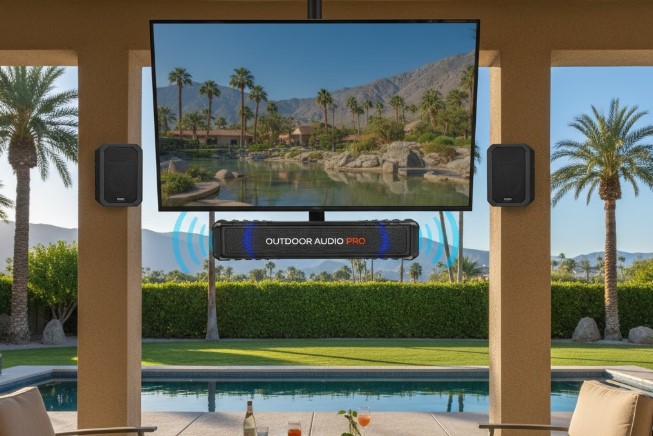
Finding the best soundbars for outdoor TVs means choosing models built to withstand the elements and deliver powerful, clear sound that cuts through ambient noise. We’ll guide you through the essential features and top picks for truly epic outdoor audio.
Key Takeaways
- Select waterproof and durable outdoor soundbars.
- Prioritize high wattage for loud, clear outdoor sound.
- Consider Bluetooth and Wi-Fi for easy connectivity.
- Look for weather-resistant materials and robust build quality.
- Ensure easy installation and mounting options.
- Check for compatibility with your outdoor TV.
Introduction: Elevate Your Backyard Entertainment
Imagine this: you’re hosting a backyard movie night, or your favorite team is playing, and the sound is just… lackluster. Outdoor TVs are fantastic for enjoying entertainment al fresco, but they often come with built-in speakers that simply can’t compete with rustling leaves, neighborhood chatter, or wind. This is where the magic of the best soundbars for outdoor TV comes in, promising to transform your patio or deck into an immersive audio oasis. But with so many options, choosing the right one can feel overwhelming. Don’t worry! This guide will break down exactly what to look for and help you find a soundbar that delivers epic audio for your outdoor adventures.
Why Outdoor Soundbars Are Different
Outdoor environments present unique challenges for audio equipment. Unlike indoor setups, outdoor soundbars need to be tough. They must contend with:
- Weather: Rain, humidity, intense sun, and temperature fluctuations can damage standard electronics.
- Ambient Noise: The sounds of nature, traffic, or even your neighbors can easily drown out weak audio.
- Connectivity: Running wires outdoors can be a hassle, making wireless options highly desirable.
- Power: Outdoor spaces are often larger, requiring more powerful speakers to fill the space with sound.
Because of these factors, the best soundbars for outdoor TV are specifically engineered to overcome these obstacles, offering durability and enhanced performance.
Essential Features to Look For
When selecting a soundbar for your outdoor setup, keep these crucial features in mind. They will be the deciding factors in achieving that epic audio experience.
1. Durability and Weather Resistance
This is paramount. Look for soundbars specifically marketed for outdoor use. Key indicators include:
- IP Ratings: The Ingress Protection (IP) rating tells you how well the device is protected against solids (like dust) and liquids. For outdoor use, aim for at least an IPX4 rating (protected against water splashes from any direction), with IPX5 or higher being ideal for more exposure. You can find detailed explanations of IP ratings on sites like the International Electrotechnical Commission (IEC).
- Corrosion Resistance: Materials like marine-grade aluminum or stainless steel are less likely to rust or degrade in humid or salty air.
- UV Protection: The plastic or casing should be treated to resist fading and cracking from prolonged sun exposure.
2. Sound Quality and Power
Outdoor spaces are vast, and sound disperses more easily. You need a soundbar that can project clearly and powerfully.
- Wattage: Higher wattage generally means louder sound. For a typical backyard, look for soundbars with at least 100 watts, but more is often better for truly epic audio.
- Driver Size: Larger speaker drivers (woofers and tweeters) can produce a fuller, richer sound.
- Bass Response: Good bass will make movies and music more immersive. Some outdoor soundbars include a separate subwoofer for deeper lows.
- Clarity: Ensure the soundbar offers clear dialogue, especially for watching movies or sports.
3. Connectivity Options
How will your soundbar connect to your TV and other devices? Wireless options are highly convenient outdoors.
- Bluetooth: Ideal for streaming music from your phone or tablet directly to the soundbar.
- Wi-Fi: Offers higher bandwidth for better audio streaming and can be integrated with smart home systems.
- HDMI ARC/eARC: Allows the soundbar to receive audio from the TV and control both devices with a single remote.
- Optical/Auxiliary Inputs: For wired connections if other options aren’t available.
4. Ease of Installation
You want to spend more time enjoying your setup and less time wrestling with installation.
- Mounting Hardware: Does it come with brackets for wall mounting or posts? Is it designed to sit securely on an outdoor TV stand or furniture?
- Simple Setup: Look for systems that have plug-and-play functionality or straightforward pairing processes.
5. Design and Aesthetics
While function is key, you also want something that looks good in your outdoor living space.
- Many outdoor soundbars have a sleek, modern design that blends well with outdoor furniture and décor.
- Consider the size; ensure it fits your space without being obtrusive.
Best Soundbars for Outdoor TV: Top Picks
Based on durability, sound performance, and user reviews, here are some of the best soundbars suitable for your outdoor TV setup. Remember that truly “outdoor-rated” soundbars are less common than indoor ones, so sometimes robust indoor soundbars can work if they are well-protected from direct weather. However, dedicated outdoor soundbars offer peace of mind.
| Soundbar Model | Key Features | IP Rating | Connectivity | Ideal For |
|---|---|---|---|---|
| OontZ Angle 3 ULTRA | Portable, loud, durable with good battery life. Excellent for patios. | IPX6 (Waterproof) | Bluetooth 5.0 | Casual listening, small gatherings, easy portability. |
| ECOXGEAR Boulder+ | Rugged, powerful, can be paired with another for stereo sound. | IP67 (Waterproof & Dustproof) | Bluetooth, Aux-in | Larger spaces, parties, durability is a priority. |
| James Loudspeaker ST / Small Series | High-end, weather-resistant, designed for permanent outdoor installations. | IP65 | Various wired options, some Bluetooth models available. | Premium home theater setups, custom installations. |
| Soundcast VG7 SE | Powerful, omnidirectional sound, built for extreme weather. | IP67 (Waterproof & Dustproof) | Bluetooth 4.2, Aux-in, Wi-Fi (on some models) | Large patios, backyards, immersive sound experience. |
| Bose Outdoor Speakers (e.g., FreeSpace 51) | Designed for wide sound dispersion even in noisy environments. Not a traditional soundbar but an excellent outdoor audio solution. | Weather-resistant construction | Wired connections | Permanent installations seeking clear, balanced sound. |
Understanding IP Ratings for Outdoor Electronics
You’ve seen IP ratings mentioned, but what do they really mean? The IP rating system, established by the IEC, provides a standardized way to measure a device’s protection against environmental factors. The first digit indicates protection against solid objects (like dust), and the second digit indicates protection against liquids (water). For outdoor soundbars, the water protection rating is usually the most critical.
- IPX4: Protects against splashing water. If your soundbar is under a covered patio or protected from direct rain, this might suffice.
- IPX5: Protects against water jets. This is better if there’s a risk of more direct water exposure, like from sprinklers or light rain.
- IPX6: Protects against strong water jets. Good for areas with potential for heavy rain or accidental hose spray.
- IPX7: Protects against temporary immersion in water (up to 1 meter for 30 minutes). This offers excellent protection against accidental submersion or heavy downpours.
- IP65/IP67: The ‘6’ in the first digit means it’s dust-tight. Combined with a high water rating like ‘5’ or ‘7’, this offers comprehensive protection.
Always check the specific IP rating and understand its limitations. For example, even IPX7-rated devices might not be suitable for prolonged submersion in saltwater or chlorinated pools.
Wired vs. Wireless Connectivity Outdoors
Choosing between wired and wireless connections for your outdoor soundbar involves trade-offs:
- Wireless (Bluetooth/Wi-Fi):
- Pros: Easy installation, no messy cables running through your yard, flexibility in placement.
- Cons: Potential for signal interference, audio latency (especially with Bluetooth), reliance on battery power or dedicated outdoor power outlets.
- Wired (HDMI, Optical, Speaker Wire):
- Pros: Generally more stable connections, no interference issues, can offer higher fidelity audio.
- Cons: Requires careful cable management to prevent tripping hazards and protect wires from the elements, installation can be more complex.
For most users, a combination of Bluetooth for music and HDMI ARC for TV audio is the sweet spot. If you’re setting up a permanent outdoor home theater, consider professional installation for the cleanest and most robust wired solution.
Powering Your Outdoor Soundbar
How you power your soundbar outdoors is as important as the soundbar itself.
- Outdoor-Rated Power Outlets: If you have an existing outdoor outlet, ensure it’s rated for outdoor use and protected by a GFCI (Ground Fault Circuit Interrupter) outlet, as recommended by electrical safety guidelines in many regions.
- Extension Cords: If using extension cords, they must be rated for outdoor use, heavy-duty, and kept away from foot traffic and standing water.
- Battery-Powered: Some portable outdoor soundbars run on internal rechargeable batteries. This offers maximum flexibility but requires regular charging.
- Solar Power: While less common for soundbars, some smaller outdoor audio devices can be supplemented with solar charging.
Always prioritize safety when dealing with outdoor electrical setups. If you’re unsure, consult a qualified electrician.
Pro Tips for Epic Outdoor Audio
To truly maximize your outdoor soundbar experience, consider these expert recommendations:
- Soundbar Placement is Key: Position your soundbar in a location with minimal obstructions. Aim it towards your seating area. For best results, place it under the TV and away from direct water spray if possible.
- Consider the Environment: Hard surfaces like concrete or brick can cause sound to bounce and echo. Soft furnishings (like outdoor cushions) and natural elements (like plants) can help absorb sound and improve clarity.
- Pair with Outdoor TV Mounts: Ensure your TV mount also provides adequate protection from the elements, especially if it’s a full-motion mount that exposes more of the TV’s back.
- Test in Different Conditions: Before a big event, test your soundbar at different times of day and in varying noise conditions to see how it performs.
- Upgrade with a Subwoofer: For truly cinematic sound, an outdoor-rated subwoofer can add a powerful punch to your audio experience. Look for models designed to withstand the elements.
- Regular Maintenance: Even weather-resistant gear benefits from occasional cleaning. Wipe down your soundbar with a damp cloth and check connections periodically.
Setting Up Your Outdoor Soundbar: Step-by-Step
Let’s get your soundbar connected and ready to go. While specific steps vary by model, this general guide will help you through the process.
Step 1: Unpack and Inspect
Carefully remove the soundbar and all accessories from the box. Check for any signs of damage that may have occurred during shipping. Ensure you have all the necessary cables and mounting hardware.
Step 2: Choose a Location
Select a spot that is:
- Protected from direct rain and harsh sunlight if possible.
- Close to your outdoor TV for easy connection.
- Within reach of a power source (or consider battery-powered options).
- Facing your primary viewing area for optimal sound projection.
Step 3: Mount or Place the Soundbar
Depending on your chosen location, you might:
- Mount it on a Wall: Use the provided brackets and follow the manufacturer’s instructions. Ensure the screws are appropriate for your wall material (e.g., wood, brick).
- Place it on a Shelf or Stand: Ensure the surface is stable and the soundbar is securely positioned.
Step 4: Make the Connections
Choose your preferred connection method:
- HDMI ARC: Connect an HDMI cable from the TV’s HDMI ARC port to the soundbar’s HDMI ARC port. This is the most common and recommended method for TV audio.
- Optical: Connect an optical audio cable from the TV’s optical out port to the soundbar’s optical in port.
- Auxiliary: Connect a 3.5mm audio cable from the TV’s headphone out or audio out port to the soundbar’s auxiliary in port.
- Bluetooth: Turn on Bluetooth on both the TV and the soundbar. Follow the pairing instructions for each device. You may need to go into your TV’s audio settings and select the soundbar as the output device.
- Wi-Fi: Follow the manufacturer’s app instructions to connect the soundbar to your home Wi-Fi network.
Step 5: Power On and Configure Settings
Plug in the soundbar and your TV. Turn both devices on. On your TV’s audio settings, select the correct input source for your soundbar connection (e.g., HDMI ARC, Optical, Bluetooth). You may also need to adjust volume settings on the soundbar itself.
Step 6: Test and Enjoy
Play some content on your TV or stream music via Bluetooth. Adjust the soundbar’s volume and any available EQ settings to your liking. Listen for clarity in dialogue and richness in music or sound effects. Congratulations, you’re ready for epic outdoor audio!
FAQ: Frequently Asked Questions
What is the most important factor when choosing an outdoor soundbar?
The most crucial factor is durability and weather resistance, indicated by its IP rating and construction materials. Without this, even the best-sounding soundbar will likely fail in an outdoor environment.
Can I use a regular indoor soundbar outdoors?
While technically possible if it’s placed under a fully covered and protected area (like a screened-in porch), it’s not recommended. Indoor soundbars are not built to withstand moisture, extreme temperatures, dust, or UV exposure, leading to premature failure.
How loud does an outdoor soundbar need to be?
Outdoor soundbars generally need to be louder than indoor ones due to ambient noise and sound dispersion. Look for models with at least 100 watts of power, and consider more if you have a very large backyard or frequently experience significant background noise.
Do I need a separate subwoofer for outdoor audio?
It’s not strictly necessary, but a subwoofer significantly enhances the audio experience, especially for movies and music, by providing deep bass. If you opt for one, ensure it’s also designed for outdoor use.
How do I connect my soundbar to my outdoor TV?
The easiest and most common methods are HDMI ARC (Audio Return Channel) or Bluetooth. HDMI ARC is generally preferred for a stable, high-quality connection directly from your TV. Bluetooth is convenient for streaming music from mobile devices.
What is the benefit of Wi-Fi connectivity for an outdoor soundbar?
Wi-Fi offers a more stable and higher-bandwidth connection than Bluetooth, allowing for better audio streaming quality and integration with smart home systems. It can also enable multi-room audio if the soundbar supports it.
Conclusion: Your Ultimate Outdoor Sound Experience Awaits
Investing in the best soundbars for outdoor TV is a fantastic way to elevate your backyard entertainment. By prioritizing weather resistance, powerful sound, and convenient connectivity, you can ensure that your movies, music, and games sound as epic as they look. Remember to consider the specific environment of your outdoor space and choose a model that meets your needs for durability and audio performance. With the right setup, your patio or deck will become the ultimate destination for unforgettable outdoor experiences.
