


The U.S. government, through its strategic investment fund, is now a shareholder in Intel. This move signifies a significant bet on America’s semiconductor future, aiming to bolster domestic chip manufacturing and drive innovation. Learn what this means for Intel, the tech industry, and you.
Key Takeaways
- Government invests in Intel’s chip production.
- Boosts U.S. semiconductor independence.
- Supports Intel’s advanced manufacturing goals.
- Aims to create high-tech American jobs.
- Represents a strategic economic and national security play.
Uncle Sam, Intel’s New Shareholder: A Radical Bet on America’s Future
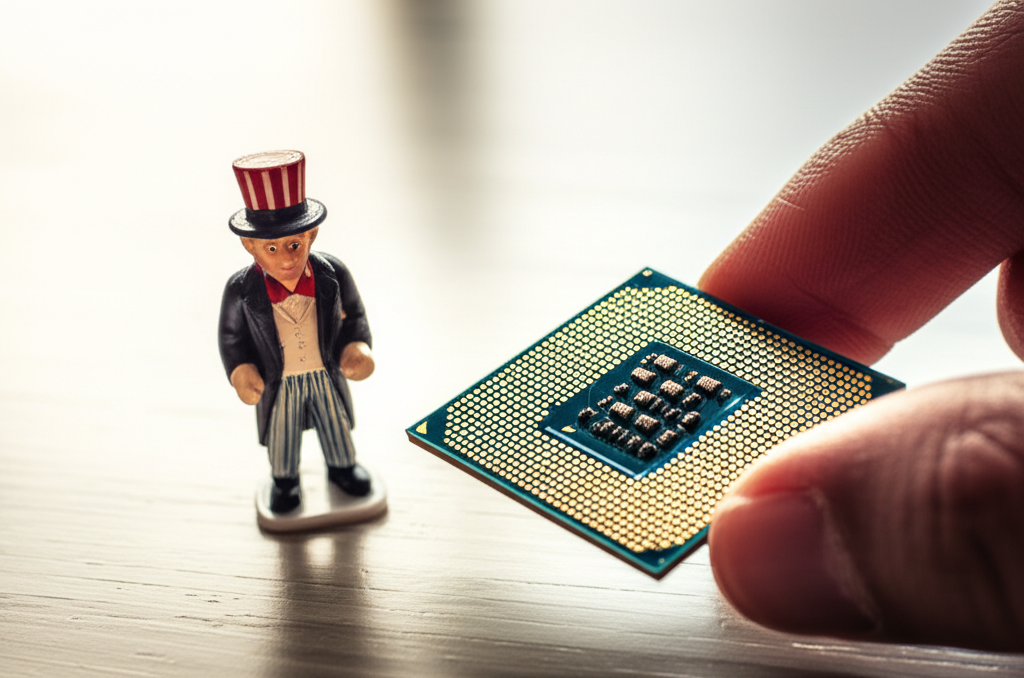
Ever wondered what happens when Uncle Sam, the iconic symbol of the United States government, becomes a shareholder in one of the world’s biggest tech companies? It’s not a fairy tale; it’s a real, strategic move. Intel, a titan in the semiconductor industry, has received investment from the U.S. government. This isn’t just about money; it’s a bold declaration of faith in America’s ability to lead in advanced technology manufacturing. If you’re curious about this significant development and what it means for the future of chips, jobs, and national security, you’re in the right place. We’ll break down this complex topic into easy-to-understand steps, showing you exactly why this partnership is such a radical bet on America’s future.
Understanding the Big Picture: Why Chips Matter So Much
Before diving into Uncle Sam’s investment, let’s quickly touch on why computer chips, or semiconductors, are the bedrock of our modern world. These tiny components are the brains behind virtually every electronic device you use – from your smartphone and laptop to your car and even your refrigerator. They are critical for everything from artificial intelligence and 5G technology to national defense systems.
For decades, much of the world’s most advanced chip manufacturing has been concentrated in a few countries, primarily in Asia. This reliance creates vulnerabilities, as disruptions in supply chains – whether due to natural disasters, trade disputes, or global health crises – can have far-reaching economic consequences. The COVID-19 pandemic starkly illustrated this point, leading to widespread chip shortages that affected numerous industries.
The CHIPS Act: Fueling a Semiconductor Renaissance
Recognizing these vulnerabilities and the strategic importance of a robust domestic semiconductor industry, the U.S. government passed the Creating Helpful Incentives to Produce Semiconductors (CHIPS) Act of 2022. This landmark legislation provides billions of dollars in funding and tax credits to encourage companies to build, expand, and modernize semiconductor manufacturing facilities within the United States.
The goal of the CHIPS Act is multifaceted:
- Boost Domestic Manufacturing: To bring more chip production back to American soil.
- Drive Innovation: To invest in research and development for next-generation chip technologies.
- Strengthen National Security: To reduce reliance on foreign countries for critical electronic components.
- Create High-Skilled Jobs: To generate employment opportunities in advanced manufacturing and R&D.
Intel’s Strategic Vision: A New Era of Manufacturing
Intel has long been a pioneer in chip design and manufacturing. However, in recent years, the company has faced increased competition and some production challenges. To regain its leadership position, Intel has embarked on an ambitious strategy called the IDM 2.0 (Integrated Device Manufacturer 2.0) roadmap.
Under this plan, Intel aims to:
- Expand its Foundry Business: Intel is not just making chips for itself anymore; it’s also offering its manufacturing capabilities to other companies, a service known as a “foundry.” This is a significant shift from its traditional model.
- Invest Heavily in Advanced Manufacturing: The company is committing to building new fabrication plants (fabs) and upgrading existing ones to produce the most advanced chips.
- Achieve Technology Leadership: Intel is pushing the boundaries of chip design and manufacturing processes to stay ahead of the curve.
Uncle Sam Joins the Board: The Investment Explained
The U.S. government’s investment in Intel, often facilitated through entities like the Department of Commerce, is a direct application of the CHIPS Act. This isn’t a traditional stock purchase where Uncle Sam becomes a majority owner. Instead, it typically involves substantial grants, subsidies, and tax incentives provided to Intel to support its major capital investments in building new fabs in the United States, particularly in places like Arizona and Ohio.
Think of it like this: You want to build a huge, state-of-the-art workshop in your town, but it costs a lot of money. The local government, recognizing how many jobs and how much economic activity your workshop will bring, offers you a significant grant and tax breaks to help you build it there. The government isn’t buying a piece of your workshop, but it’s heavily investing in its success because it benefits the whole community. The U.S. government is doing something similar with Intel.
Who is Investing and Why?
The primary driver is national economic and security interests. The U.S. government wants to ensure a stable, secure supply of critical semiconductors and to reclaim leadership in this vital industry. Intel, with its extensive manufacturing experience and ambitious expansion plans, is a natural partner.
What Kind of Investment is It?

The investment is primarily in the form of financial incentives, including:
- Direct Subsidies/Grants: Cash payments to help offset the enormous costs of building and equipping advanced semiconductor factories.
- Tax Credits: Reductions in taxes for qualifying investments and activities related to semiconductor manufacturing.
- Research and Development Funding: Support for Intel’s efforts in developing new chip technologies and manufacturing processes.
This approach allows the government to significantly influence the location and scale of chip production without directly taking on ownership or management responsibilities. It’s a way to de-risk major private investments for the public good.
The Impact on Intel and the Semiconductor Industry
This government backing provides Intel with a crucial financial boost, enabling it to accelerate its ambitious expansion plans. Building advanced semiconductor fabrication plants (fabs) is incredibly expensive, with costs often running into tens of billions of dollars per facility. Government incentives make these massive projects more financially viable and less risky for Intel.
Key impacts for Intel include:
- Accelerated Expansion: The funding allows Intel to build its new fabs faster and at a larger scale than might otherwise be possible.
- Competitive Edge: It helps Intel compete more effectively against global rivals who may also receive government support.
- Reinforced IDM 2.0: The investment strengthens Intel’s ability to execute its IDM 2.0 strategy, particularly its foundry business.
- Job Creation: The new fabs will create thousands of high-paying jobs in construction, engineering, manufacturing, and research.
For the broader semiconductor industry, this move signals a strong commitment from the U.S. government to onshore critical manufacturing. It encourages other companies to consider similar investments in the U.S., fostering a more distributed and resilient global supply chain.
Uncle Sam’s Bet: A Look at the Risks and Rewards
Every significant investment carries risks and potential rewards. Uncle Sam’s bet on Intel is no different.
Potential Rewards:
- Resilient Supply Chain: A stronger domestic chip manufacturing base makes the U.S. less vulnerable to global supply disruptions.
- Technological Leadership: Increased investment can spur innovation, ensuring the U.S. remains at the forefront of technology.
- Economic Growth: The creation of advanced manufacturing facilities can lead to significant economic development, job creation, and increased tax revenue.
- National Security: Access to secure, domestically produced advanced chips is vital for defense systems and critical infrastructure.
- Competitive Ecosystem: It helps build a more robust U.S. semiconductor ecosystem, attracting talent and fostering collaboration.
Potential Risks:
- High Cost: The investment is substantial, and if the projects don’t yield the expected results or if market conditions change, the return on investment might be lower.
- Technological Obsolescence: The semiconductor industry evolves rapidly. The technologies being invested in today could be superseded by newer ones tomorrow.
- Global Competition: Other countries are also investing heavily in their domestic chip industries, maintaining intense global competition.
- Execution Challenges: Building and operating advanced fabs is complex. Unexpected delays or cost overruns can occur.
- Market Volatility: The demand for semiconductors can fluctuate. A future downturn could impact Intel and the success of these investments.
The U.S. government is essentially betting that the long-term strategic advantages of increased domestic chip production outweigh these risks. It’s a calculated move to secure America’s future in a critical technological sector.
For more details on the CHIPS Act and its impact, you can refer to official government sources such as the U.S. Department of Commerce.
A Comparison: Government Investment Models
It’s helpful to see how government investments in strategic industries can vary. Here’s a simplified look at different ways governments might support companies:
| Investment Type | Description | Example | Pros | Cons |
|---|---|---|---|---|
| Direct Equity Stake | Government buys shares in a company, becoming an owner. | Some sovereign wealth funds investing in public companies. | Potential for direct financial returns; significant influence. | Risk of government overreach; potential for political interference; can distort markets. |
| Grants & Subsidies | Direct financial aid to fund specific projects or operations. | CHIPS Act funding for Intel’s new fabs. | Lowers project costs for companies; encourages specific activities (e.g., R&D, manufacturing); less market distortion than equity. | No direct financial return for the government; requires careful oversight to ensure funds are used effectively. |
| Tax Incentives | Reduced tax rates or credits for certain investments or activities. | Investment tax credits for manufacturing infrastructure. | Encourages private investment; generally less direct government involvement. | Reduces tax revenue; effectiveness can vary; may benefit companies regardless of need. |
| Loan Guarantees | Government guarantees repayment of loans made by private lenders. | U.S. government loan guarantees for infrastructure projects. | Facilitates access to capital for companies; lower risk for lenders. | Government takes on risk if the company defaults; can encourage excessive borrowing. |
Uncle Sam’s investment in Intel primarily falls under the categories of Grants & Subsidies and Tax Incentives, aiming to stimulate private sector growth and build domestic capacity rather than taking an ownership stake.
For insights into the economic rationale behind such investments, resources like Brookings Institution often provide expert analysis.
What This Means for You
While you might not be directly buying Intel stock because of this news, this development has ripple effects that can touch your life in several ways:
- More Products, Less Waiting: A stronger domestic chip supply chain means fewer shortages of electronics. This could lead to more consistent product availability and potentially more stable pricing for items like cars, gaming consoles, and appliances.
- Job Opportunities: The construction and operation of new Intel facilities will create thousands of jobs. These are often well-paying, skilled positions that can boost local economies and provide career paths for many Americans.
- Technological Advancement: Increased investment in R&D, spurred by government support, can accelerate innovation. This means we could see faster, more powerful, and more efficient technologies emerging sooner.
- Economic Stability: A robust domestic tech industry contributes to overall economic stability and national security, which indirectly benefits everyone.
It’s a long-term play, but the goal is to build a more resilient and innovative future powered by American-made technology.
Pro Tip: Stay Informed on Tech Trends
Understanding these kinds of strategic investments helps you appreciate how the technology you use every day is made and why it matters. Following reliable tech news sources and government updates can keep you in the loop about crucial developments affecting the industry.
Frequently Asked Questions (FAQ)
What is the CHIPS Act?
The CHIPS Act is a U.S. law designed to boost domestic semiconductor research, development, manufacturing, and workforce in the United States. It provides billions of dollars in incentives and funding to semiconductor companies to build and modernize their facilities in America.
Why is the U.S. government investing in Intel?
The government is investing in Intel to strengthen U.S. leadership in semiconductor manufacturing, reduce reliance on foreign chip supplies for national security and economic reasons, and create high-skilled jobs within the United States.
Does the U.S. government own part of Intel now?
No, the U.S. government is not taking an ownership stake in Intel. The investment is primarily in the form of grants, subsidies, and tax credits to support Intel’s manufacturing expansion plans in the U.S.
Will this investment lower the price of electronics?
Potentially, in the long run. By increasing domestic chip production and reducing supply chain risks, it can lead to more stable availability and potentially calmer price fluctuations for electronics. However, immediate price drops are not guaranteed due to many market factors.
How much money is the U.S. government investing?
The CHIPS Act allocates over $52 billion for semiconductor manufacturing incentives, research, and workforce development. Intel is expected to receive significant portions of this funding, alongside other semiconductor companies investing in the U.S.
What are the benefits of having more chip manufacturing in the U.S.?
Benefits include enhanced national security, a more stable technology supply chain, creation of high-paying jobs, fostering of technological innovation, and overall economic growth.
Is this happening in other countries too?
Yes, many countries around the world, including those in Europe and Asia, are also investing heavily to bolster their domestic semiconductor industries due to the strategic importance of chips.
Conclusion: A Bold Step for American Innovation
The decision by Uncle Sam to become a key financial supporter of Intel’s ambitious manufacturing plans marks a significant turning point. It’s more than just a corporate partnership; it’s a national strategic initiative to revitalize American manufacturing, secure critical supply chains, and ensure the U.S. remains at the cutting edge of technological innovation.
By channeling substantial resources through incentives and tax credits, the government is empowering Intel to build the factories and develop the technologies needed for the future. This bold bet aims to create jobs, foster economic growth, and bolster national security. While challenges and competition remain, this collaboration signals a strong commitment to bringing the future of semiconductor manufacturing back to American soil, benefiting consumers, industries, and the nation as a whole.
