

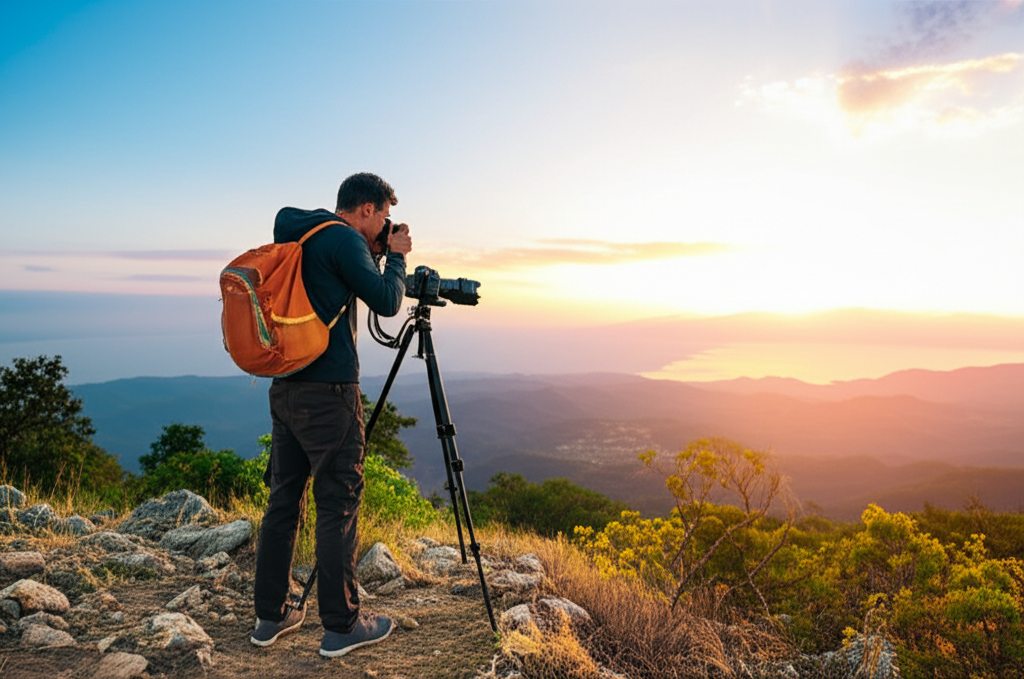
Learn how to do storytelling in landscape photography by focusing on emotion, narrative, and connection. Tell a compelling story that goes beyond just a beautiful scene.
Key Takeaways
- Connect with viewers emotionally through your landscape photos.
- Identify the core story behind your chosen landscape.
- Use composition and light to guide the viewer’s eye.
- Include human elements or implied presence for narrative.
- Edit your photos to enhance the mood and story.
- Share the context and inspiration behind your shots.
Ever looked at a landscape photo and felt a pull, a sense of wonder, or even a touch of melancholy? That’s the power of storytelling in landscape photography. It’s more than just capturing a pretty view; it’s about conveying an emotion, a narrative, or a unique perspective. Many beginners struggle to move beyond simple snapshots, wondering how to make their images resonate more deeply. If you’re eager to infuse your landscape shots with meaning and connect with your audience on a profound level, you’ve come to the right place. This guide will walk you through how to do storytelling in landscape photography, step-by-step, making it simple and actionable.
Understanding the Essence of Storytelling in Photography
At its heart, storytelling in photography is about communicating an idea or feeling to your audience. In landscape photography, this means transforming a static scene into a dynamic experience. It’s about going beyond the visual elements and tapping into the emotional and narrative potential of a place. Think of it like reading a book – each photograph is a page, and together they can form a narrative arc. According to the National Geographic, powerful photography often tells a story that prompts viewers to think, feel, and question.
A landscape photograph with a story can evoke memories, inspire travel, or even highlight environmental concerns. It’s the difference between seeing a mountain and feeling its majesty, or seeing a coastline and sensing its raw power. This deeper connection is what transforms a good photo into a great one.
Step 1: Find Your Story – What Do You Want to Say?
Before you even lift your camera, ask yourself: what is it about this landscape that draws me in? Is it the dramatic light, the sense of solitude, the harshness of the environment, or the peacefulness of a sunrise? Every landscape has a potential story waiting to be discovered. Your role as the photographer is to be its narrator.
Consider these questions:
- What emotions does this place evoke in me?
- What is unique or special about this particular scene?
- Is there a history or context associated with this location?
- What message or feeling do I want to convey to the viewer?
For example, a misty forest scene might tell a story of mystery and enchantment, while a vast desert landscape could speak of resilience and emptiness. Identifying this core idea is the crucial first step in how to do storytelling in landscape photography.
Step 2: Compose Your Narrative – Guiding the Viewer’s Eye
Composition is your primary tool for guiding the viewer through your photograph and unfolding its story. It’s how you arrange the elements within the frame to create a visual flow and emphasize key aspects of your narrative.
Leading Lines: The Path to Understanding
Leading lines are natural or man-made elements that draw the viewer’s eye into the image and towards a focal point. A winding river, a fence line, a path, or even a pattern of rocks can serve as leading lines. They create a sense of depth and encourage the viewer to explore the scene.
Example: Imagine a photograph of a mountain range. A dirt road leading into the mountains acts as a leading line, inviting the viewer to imagine traveling along that path and experiencing the grandeur of the peaks.
The Rule of Thirds: Creating Balance and Interest
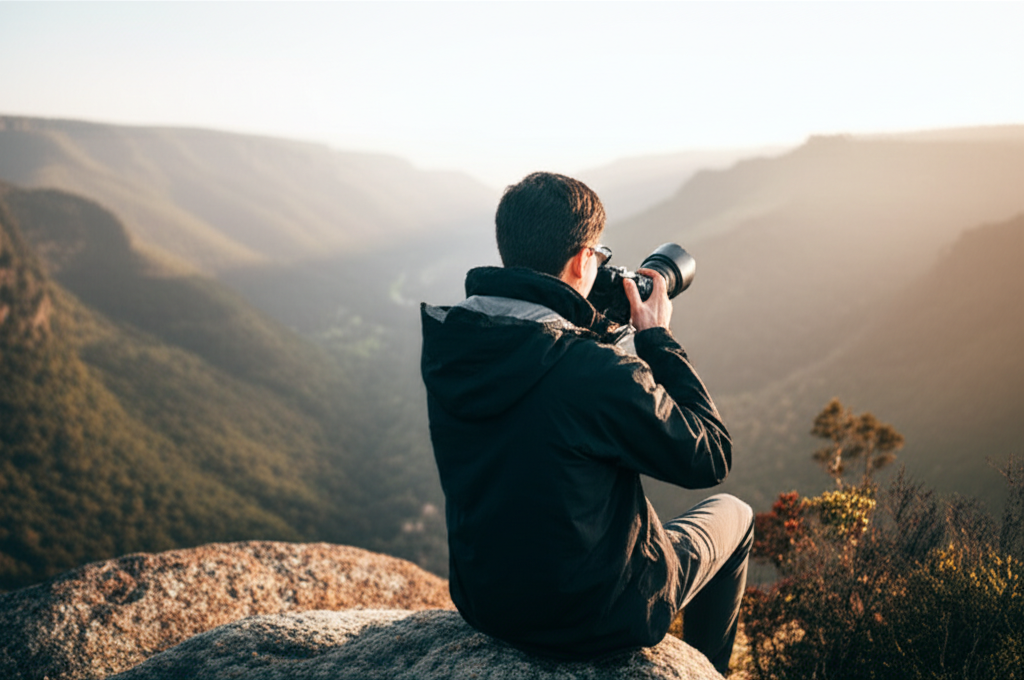
Placing your main subject off-center, typically along the intersecting lines of a 3×3 grid, can make your composition more dynamic and engaging. This often creates a more pleasing aesthetic and allows for negative space that can add to the story.
Example: A solitary tree on a vast plain might be placed on one of the vertical lines, with the open sky occupying the upper two-thirds, emphasizing the tree’s isolation and the expanse of the landscape.
Framing: Adding Depth and Context
Use natural elements like tree branches, rock formations, or archways to frame your main subject. This technique adds depth to your image and can help to isolate the subject, drawing more attention to it and its story.
Example: Photographing a distant lighthouse through the skeletal branches of a winter tree can create a sense of longing or isolation, with the branches acting as a natural frame.
Depth and Layers: Building a Visual Story
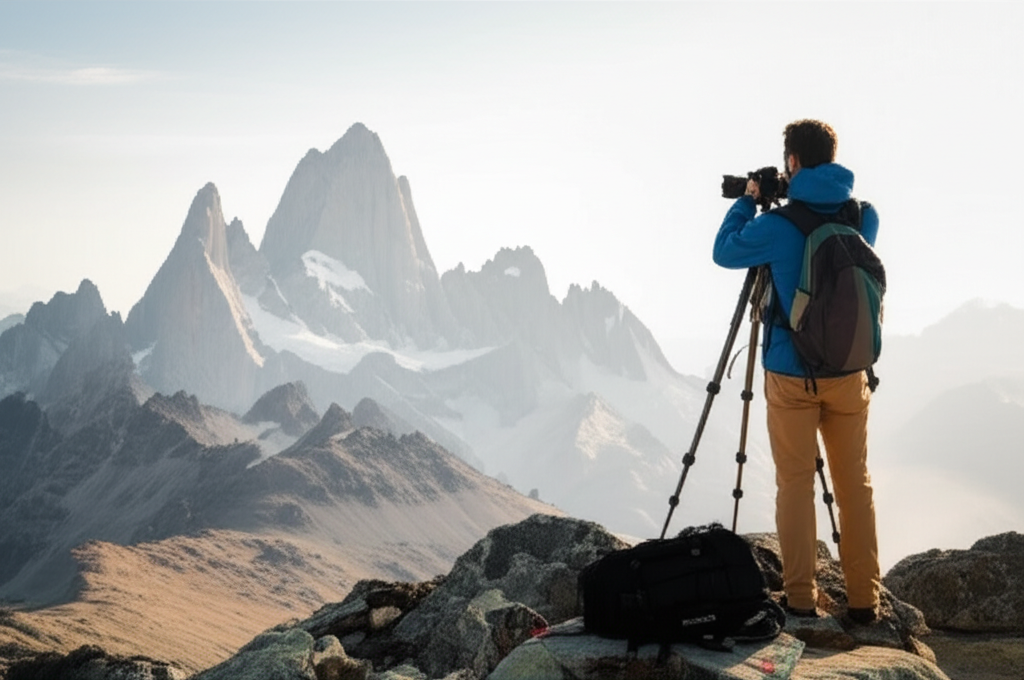
Including elements in the foreground, middle ground, and background creates a sense of three-dimensionality. Each layer can contribute to the narrative. The foreground might set the mood, the middle ground can provide context, and the background can offer a grand vista.
Example: A shot of a waterfall could have mossy rocks in the foreground, the cascading water in the middle ground, and a lush green forest receding into the background. These layers tell a story of a vibrant, living ecosystem.
Step 3: Harness the Power of Light and Mood
Light is perhaps the most powerful tool a landscape photographer has for conveying emotion and atmosphere. The quality, direction, and color of light can drastically alter the mood of a scene and, therefore, its story.
Golden Hour: Warmth and Serenity
The hour shortly after sunrise and before sunset, known as the “golden hour,” bathes landscapes in warm, soft light. This light is ideal for conveying feelings of peace, beauty, and tranquility. Sunrises can symbolize new beginnings, while sunsets often evoke feelings of reflection or closure.
Blue Hour: Mystery and Calm
The period just before sunrise or after sunset, when the sun is below the horizon, offers soft, diffused light in cool, blue tones. This “blue hour” is perfect for creating images that feel calm, serene, and a bit mysterious. Cityscapes taken during blue hour often have a magical glow.
Dramatic Light: Storms and Shadows
Harsh midday sun can be challenging, but dramatic lighting, like that found during a thunderstorm or with strong shadows, can tell a story of power, struggle, or introspection. The contrast between light and shadow can create a sense of drama and highlight textures.
Fog and Mist: Subtlety and Atmosphere
Fog and mist can transform a landscape by obscuring details, softening edges, and creating an ethereal, dreamlike atmosphere. They are excellent for telling stories of mystery, solitude, or the hidden beauty of a place.
When you’re out shooting, pay close attention to how the light changes throughout the day and how it impacts the feeling of the scene. This is a fundamental aspect of how to do storytelling in landscape photography effectively.
Step 4: Incorporate Human Elements (or Their Implication)</h2
While landscape photography often focuses on nature, the presence (or implied presence) of humans can significantly enhance a narrative. Humans provide a scale and a relatable element that allows viewers to place themselves into the scene.
Direct Human Presence
A lone hiker on a ridge, a small cabin nestled in a valley, or a boat on a lake can instantly add a story of exploration, human resilience, or peaceful coexistence with nature. The scale of the human element against the vastness of the landscape can speak volumes.
Example: A tiny figure standing on a cliff edge overlooking a dramatic vista tells a story of awe, courage, and the human desire to explore the unknown.
Implied Human Presence
Sometimes, the absence of humans can be just as powerful. A well-worn path, an old stone wall, abandoned ruins within a landscape, or even tire tracks in the sand can suggest past human activity and evoke a sense of history, abandonment, or mystery.
Example: A weathered wooden fence stretching across a barren field can suggest a history of farming, human effort, and the passage of time, even if no people are visible.
Choosing whether to include direct or implied human elements depends entirely on the story you want to tell. Consider what adds the most emotional weight to your narrative.
Step 5: Capture the Details – The Devil is in the Diorama
Beyond grand vistas, the small details can also tell powerful stories. Close-up shots of textures, patterns, or delicate natural elements can add depth and intrigue to your portfolio or a series of landscape images.
Textures and Patters
The rough bark of a tree, the intricate veins of a leaf, the smooth patterns of sand dunes, or the crystalline structure of ice can reveal the subtle beauty and complexity of nature. These details can tell stories of resilience, growth, or the artistry of natural processes.
Elements of Change
Photographing signs of change, such as fallen leaves, sprouting seedlings, melting snow, or eroding rock formations, can tell stories about the cyclical nature of life, the passage of time, and the dynamic forces shaping our planet.
Don’t be afraid to zoom in and explore the micro-narratives within a grand landscape. These details can add layers to your overall story.
Step 6: Editing to Enhance the Narrative
Post-processing is where you can truly refine and amplify the story you captured. Editing should never be about creating something that wasn’t there, but rather about enhancing what you saw and felt.
Color and White Balance
Adjusting colors can significantly impact the mood. Warmer tones can evoke comfort and happiness, while cooler tones can suggest calmness or melancholy. Ensuring your white balance is correct is crucial for an authentic representation of the scene’s light.
Contrast and Clarity
Increasing contrast can add drama, while reducing it can create a softer, more dreamlike feel. Enhancing clarity can bring out textures and details that contribute to the story.
Cropping and Straightening
Sometimes, removing distracting elements or slightly recomposing in post-processing can strengthen the narrative by focusing the viewer’s attention on the most important parts of the image.
Example: If you captured a dramatic sunset, you might enhance the saturation of the reds and oranges to emphasize the intensity of the light and the feeling of awe. If you shot a misty morning, you might slightly reduce contrast to enhance the ethereal mood.
According to Adobe, the creators of Photoshop, editing is an essential part of the photographic process, allowing photographers to realize their artistic vision. (Adobe)
Step 7: Share the Context – The Photographer’s Voice
How you present your photograph is as important as how you take it. Providing context can significantly deepen the viewer’s understanding and emotional connection to your work. This is where you, the photographer, become the storyteller.
Captions and Titles
A thoughtful caption or title can set the stage for your image. It can hint at the story, share a personal anecdote, or pose a question to the viewer. Even a simple title like “Whispers of the Ancient Forest” can evoke curiosity.
Artist Statements and Blog Posts
For a deeper narrative, consider writing an artist statement or a blog post that accompanies your series of images. Explain your inspiration, the challenges you faced, and what you hoped to convey. This adds a personal layer that viewers can connect with.
Behind-the-Scenes Information
Sharing the ‘why’ and ‘how’ behind a shot can be incredibly engaging. Did you wake up at 3 AM to catch the perfect light? Did you overcome difficult weather conditions? This information adds a human element and makes the final image more impactful.
Pro Tip:
Before sharing, consider what story you want each image to tell individually, and how they work together as a series. Planning your shots with a narrative in mind can lead to a more cohesive and powerful collection of work.
Examples of Storytelling in Landscape Photography
Let’s look at a few scenarios to see how these steps come together:
| Scenario | Storytelling Elements | Potential Narrative |
|---|---|---|
| A lone tree on a vast, windswept plain during a stormy sky. | Composition: Tree off-center, leading lines of fences fading into the distance. Light: Dramatic, dark clouds with shafts of light. Human Element: Implied resilience. | The enduring spirit against overwhelming odds; solitude and strength. |
| A misty morning sunrise over a calm lake with a small rowboat tied to a dock. | Composition: Reflection of the sunrise in the water, calm foreground. Light: Soft, diffused golden light. Human Element: Direct presence (boat) suggesting quiet contemplation or early morning activity. | Peace and tranquility; the quiet start to a new day; a moment of solitude. |
| Rugged, snow-capped mountains with a winding, narrow trail leading upwards. | Composition: Leading lines of the trail, sense of scale with mountains. Light: Crisp, clear mountain air, perhaps late afternoon sun creating long shadows. Human Element: Implied journey, adventure. | The call of adventure; overcoming challenges; the pursuit of a grand goal. |
Common Pitfalls to Avoid
Even with the best intentions, beginners can fall into common traps when trying to tell stories with their landscapes. Being aware of these can help you steer clear:
| Pitfall | Why it Hinders Storytelling | How to Overcome |
|---|---|---|
| Overly busy compositions. | Distracts the viewer, making it hard to focus on a central message or emotion. | Simplify your frame; aim to eliminate distracting elements. Use a narrower aperture or telephoto lens. |
| Ignoring the light. | A flatly lit scene lacks mood and emotion, making the story feel generic. | Shoot during golden hour or blue hour; learn to read the light and use it to your advantage. |
| No clear focal point. | The viewer doesn’t know where to look or what is important, so no story emerges. | Identify your subject and compose your shot to emphasize it, using leading lines or framing. |
| Generic editing. | Over-processing or applying the same filters to every shot can make them feel artificial and devoid of personal narrative. | Edit with the story in mind; let the emotion of the scene guide your editing decisions. |
| Lack of context. | Without knowing the photographer’s intent or the place’s significance, the image might be appreciated visually but not emotionally. | Write captions, share your thoughts, or create a series that builds a narrative. |
Frequently Asked Questions (FAQ)
What is the most important element of storytelling in landscape photography?
While composition, light, and subject are crucial, the most important element is the emotion or narrative you aim to convey. Without a clear intention, the technical aspects might not resonate deeply with the viewer.
Can I tell a story without including people in my landscape photos?
Absolutely! The implied presence of humans, the atmosphere created by light and weather, or the sheer grandeur of nature can all tell compelling stories without a single person in the frame.
How do I know if my photograph has a story?
Ask yourself: Does this image evoke a feeling? Does it make the viewer think? Does it have a sense of place or mood? If the answer is yes to any of these, you’re likely on the right track.
What is the difference between a scenic photo and a story-telling photo?
A scenic photo is often a beautiful, well-composed image of a landscape. A story-telling photo goes deeper, aiming to evoke an emotion, convey a message, or present a narrative that connects with the viewer on a more personal level.
Does the location itself dictate the story?
The location provides the setting and can heavily influence the potential story, but it’s the photographer’s perspective, intent, and execution that truly crafts the narrative. Two photographers can visit the same location and tell entirely different stories.
How can I practice storytelling in my landscape photography?
Start by consciously thinking about the feeling or idea you want to express before you shoot. Try creating a series of images on a single theme or emotion. Study the work of photographers you admire and analyze how they tell stories.
Conclusion
Learning how to do storytelling in landscape photography is a journey that transforms your images from mere representations of a scene to powerful visual narratives. It’s about looking beyond the obvious and connecting with the emotional core of a place. By focusing on your intention, mastering composition, harnessing the power of light, and thoughtfully sharing your vision, you can create landscape photographs that not only capture the eye but also touch the heart and mind. Remember, every click of your shutter is an opportunity to tell a story. So, get out there, explore, and let your unique perspective shine through.
